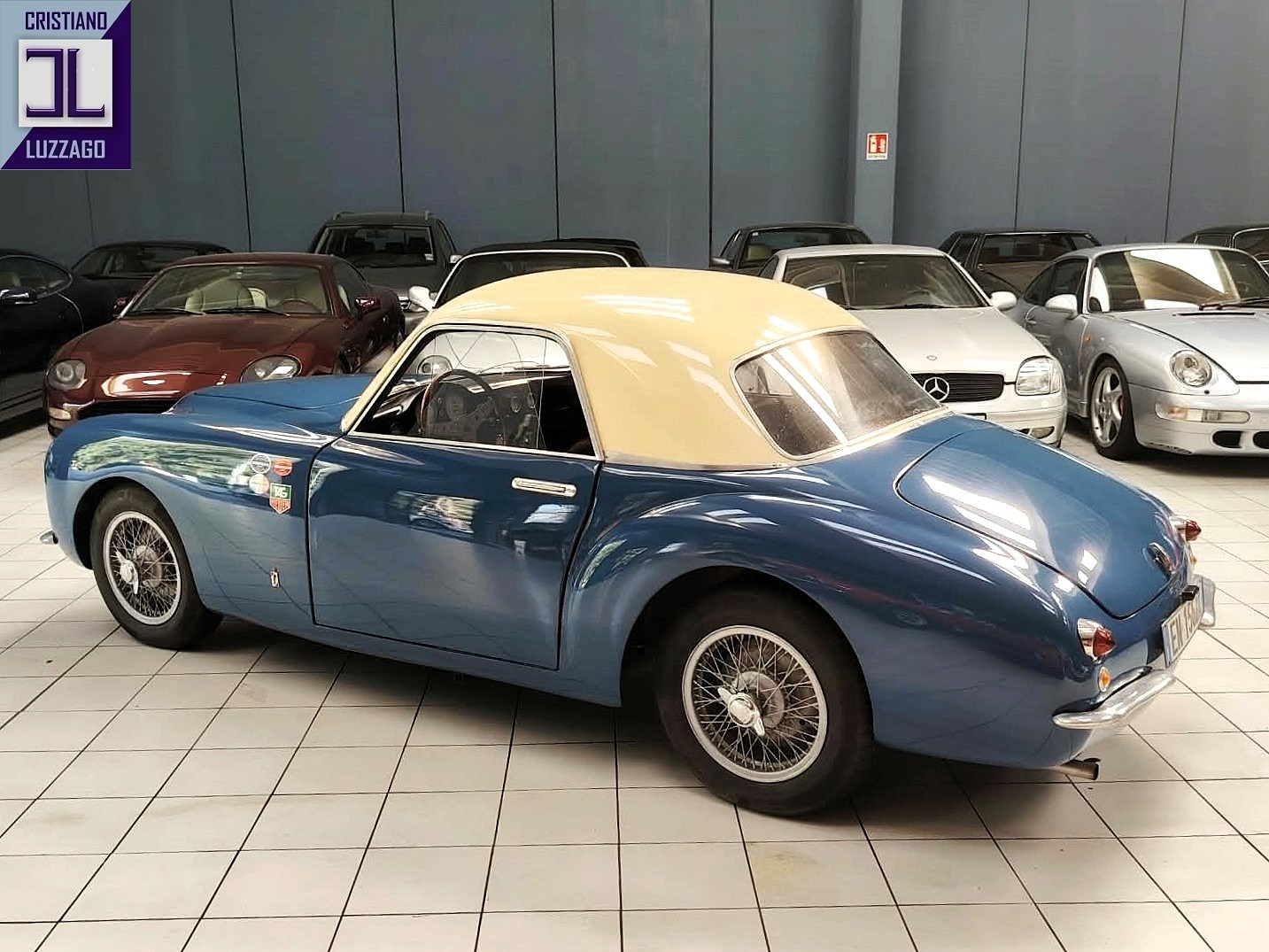
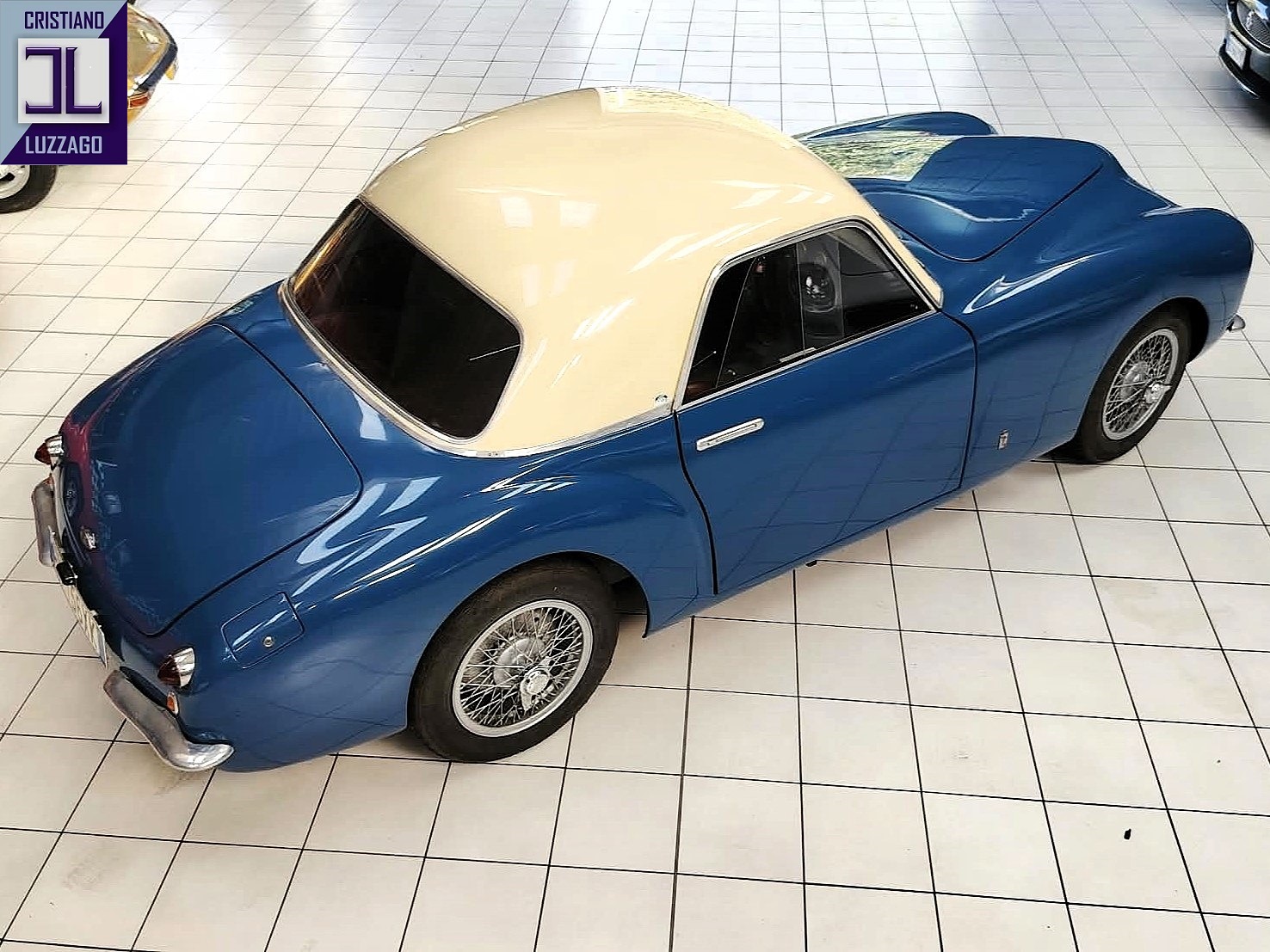
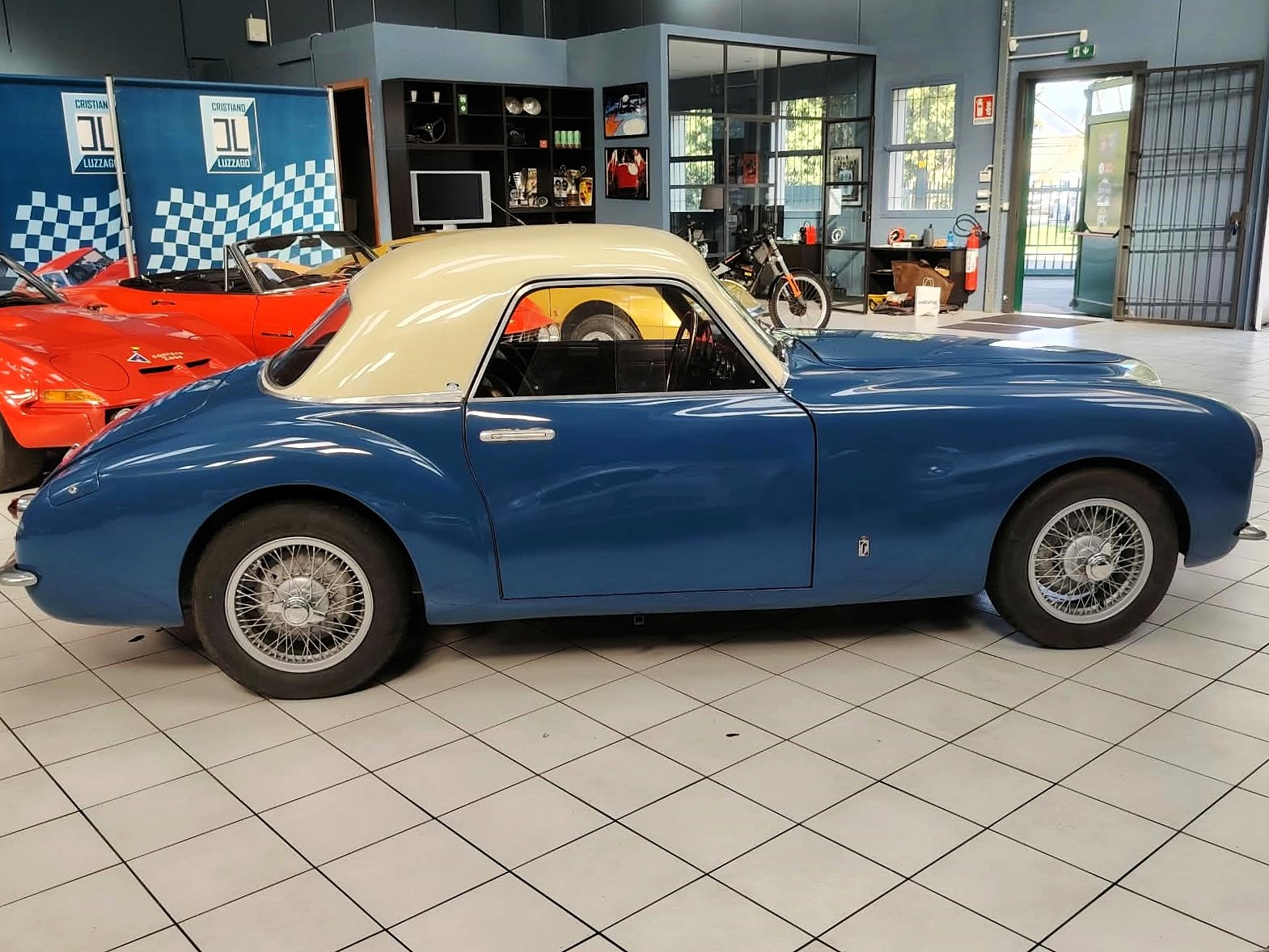
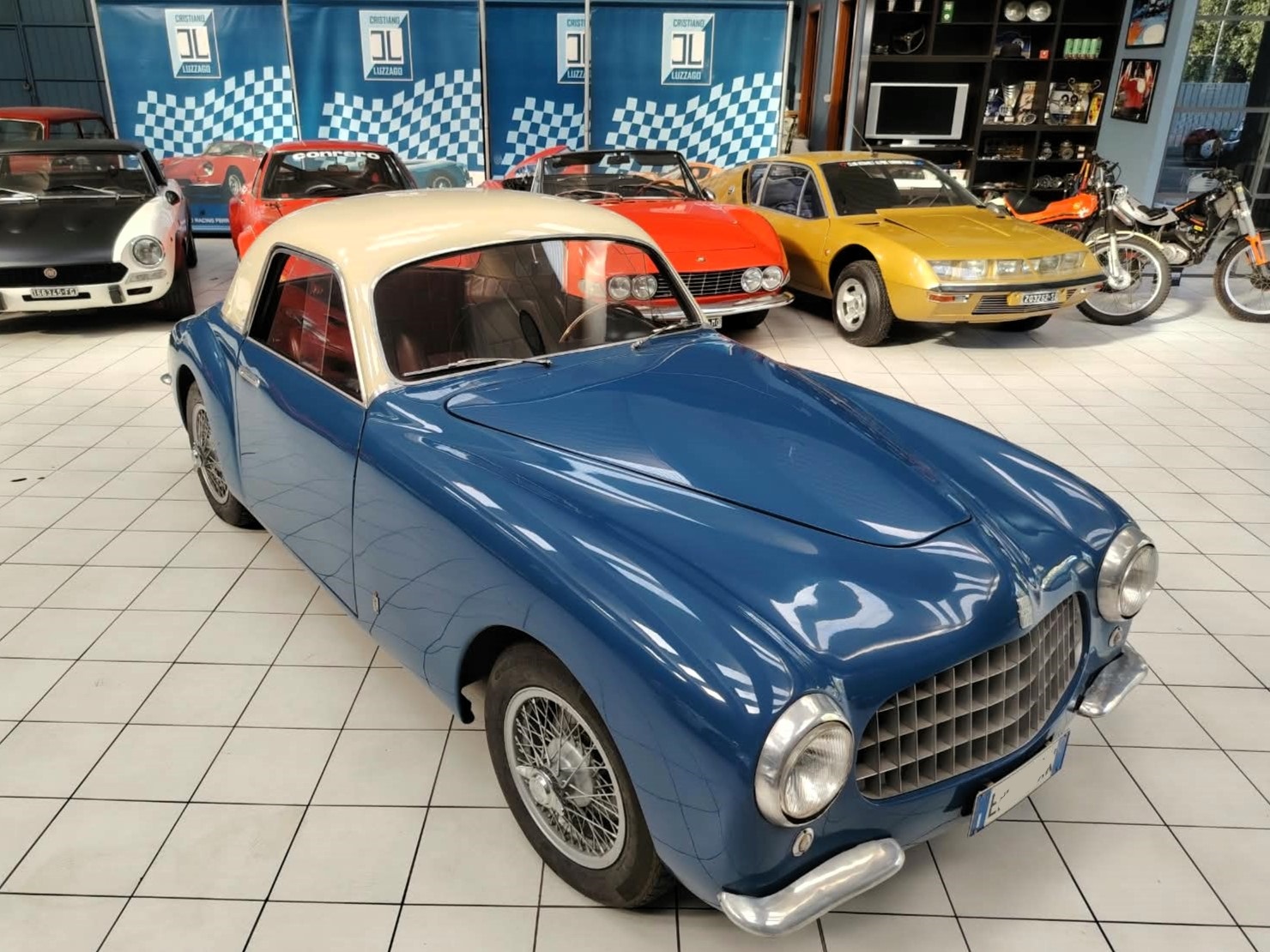
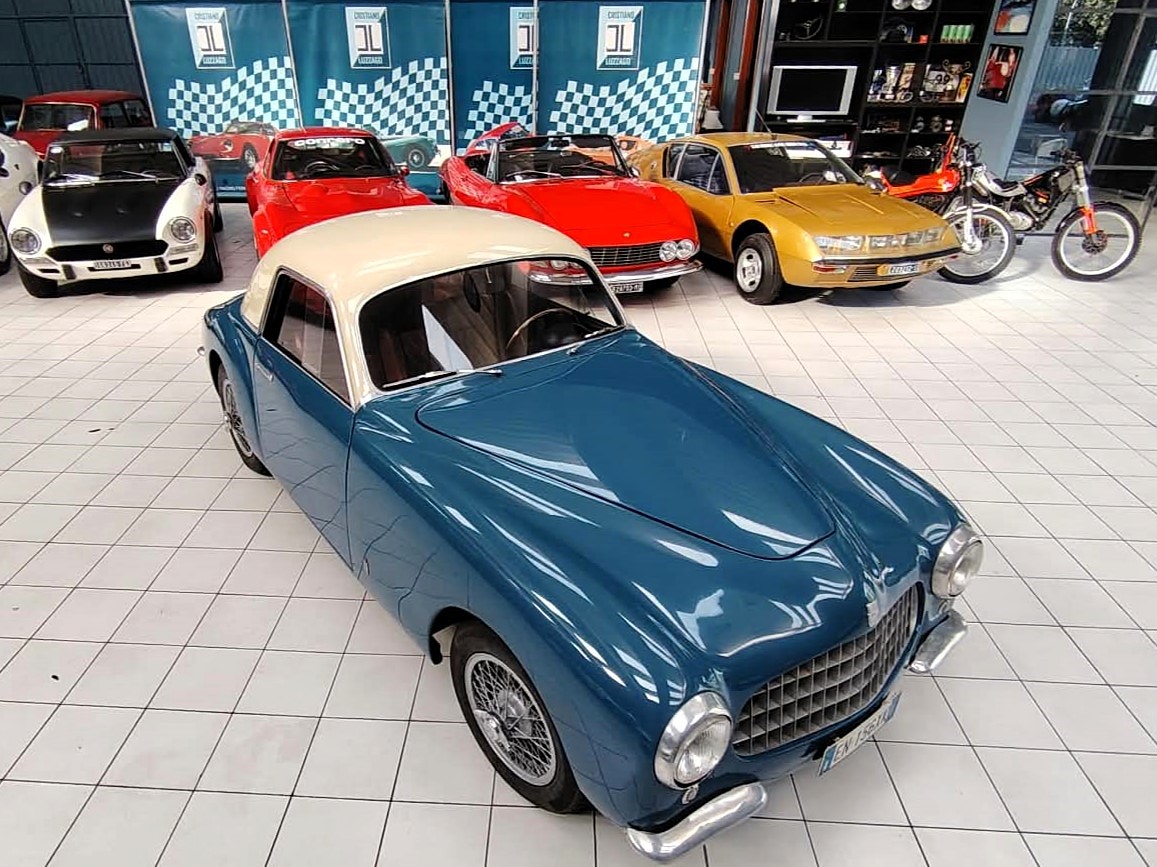
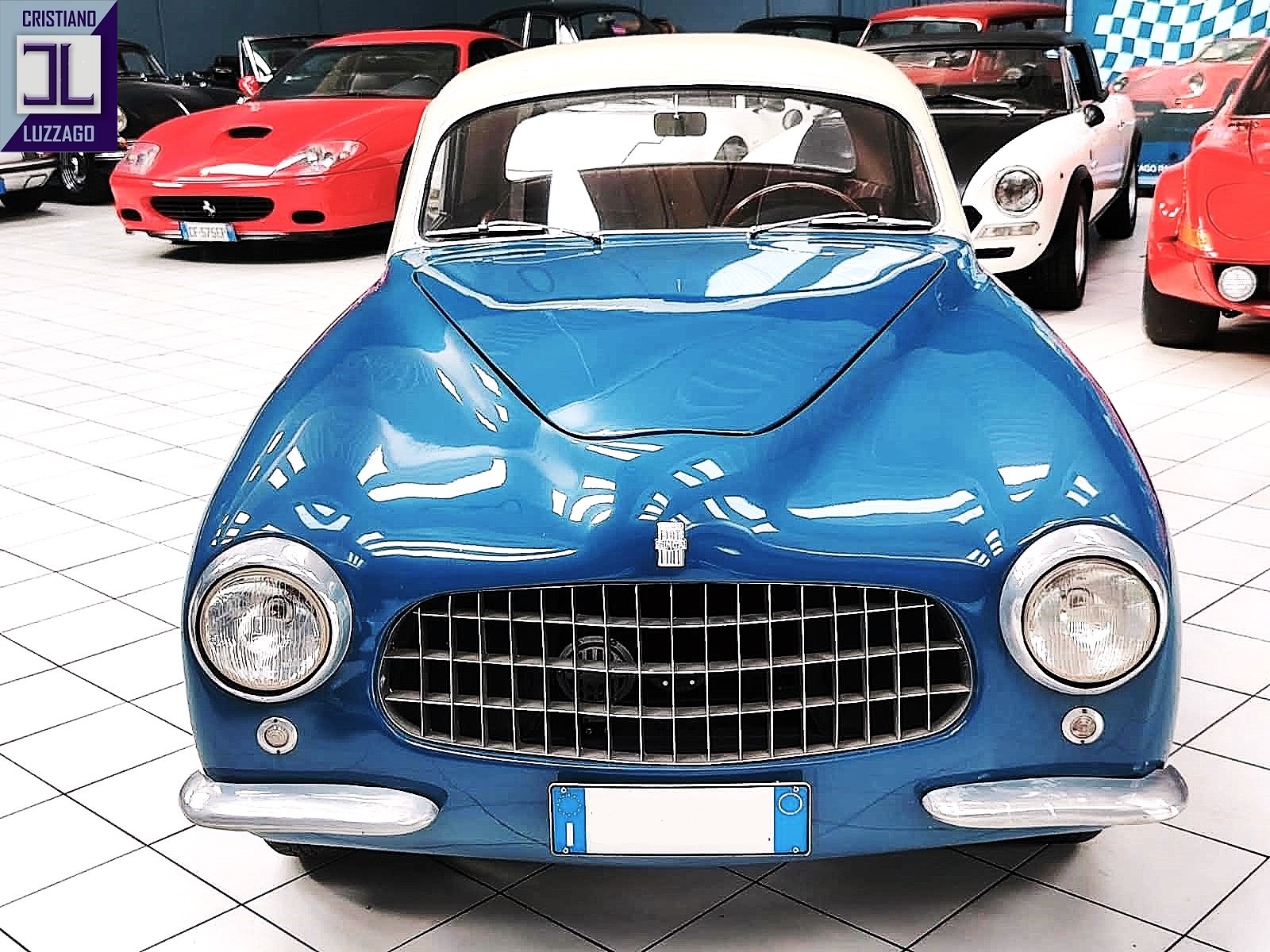
SIMCA (FIAT) 8 SPORT 1200 SPECIAL COUPÉ – 1951
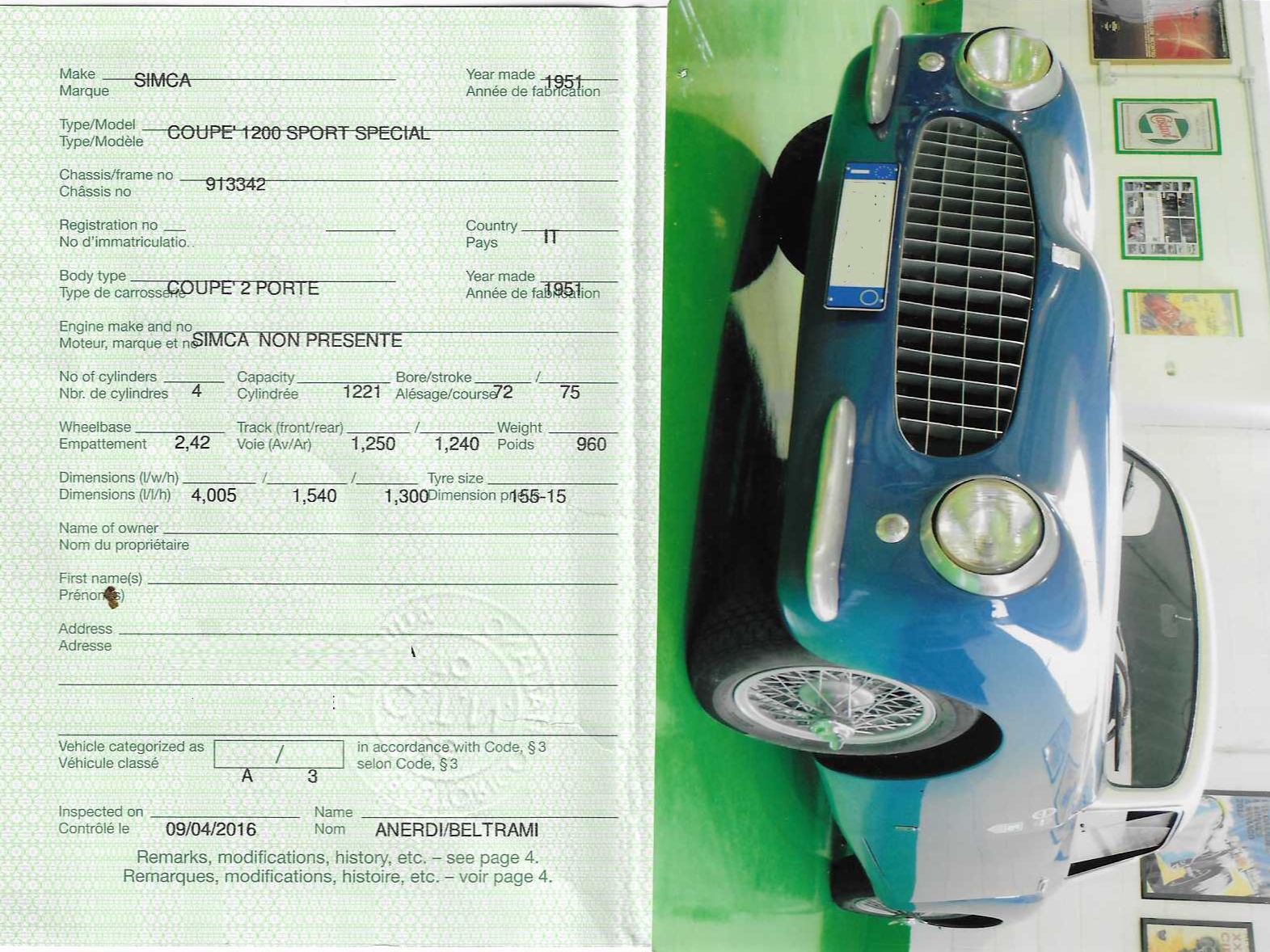
MAKE: SIMCA (FIAT)
MODEL: 8 SPORT 1200 SPECIAL COUPÉ
YEAR: 1951
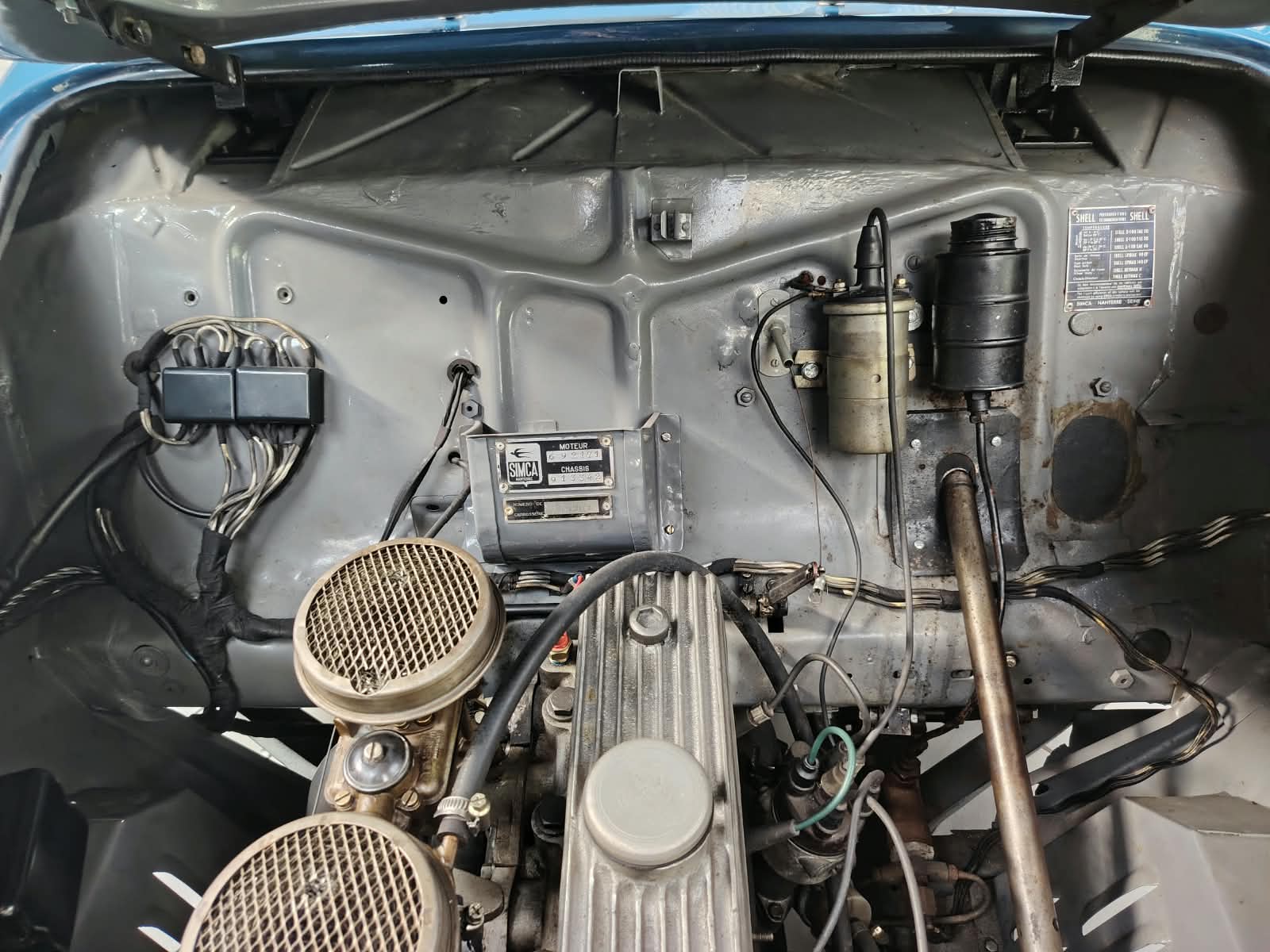
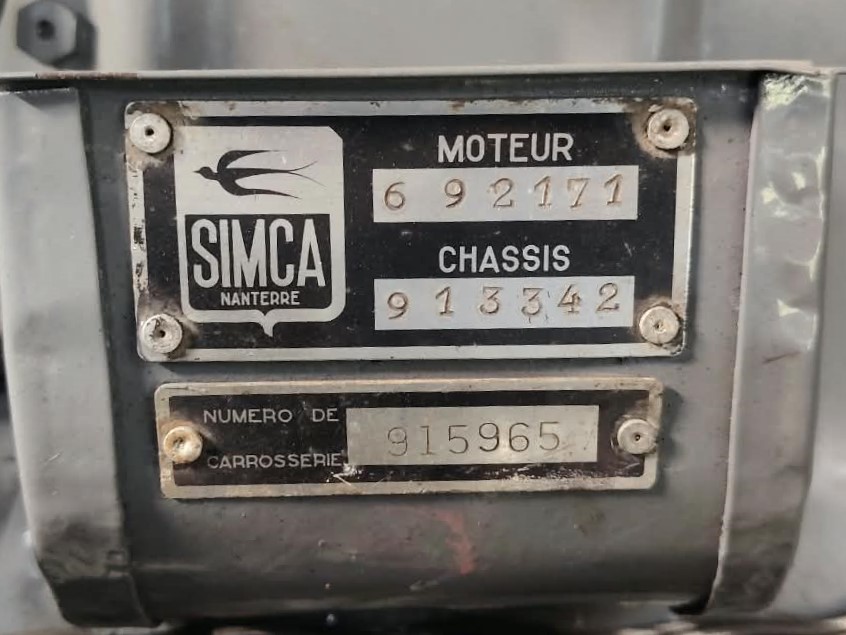
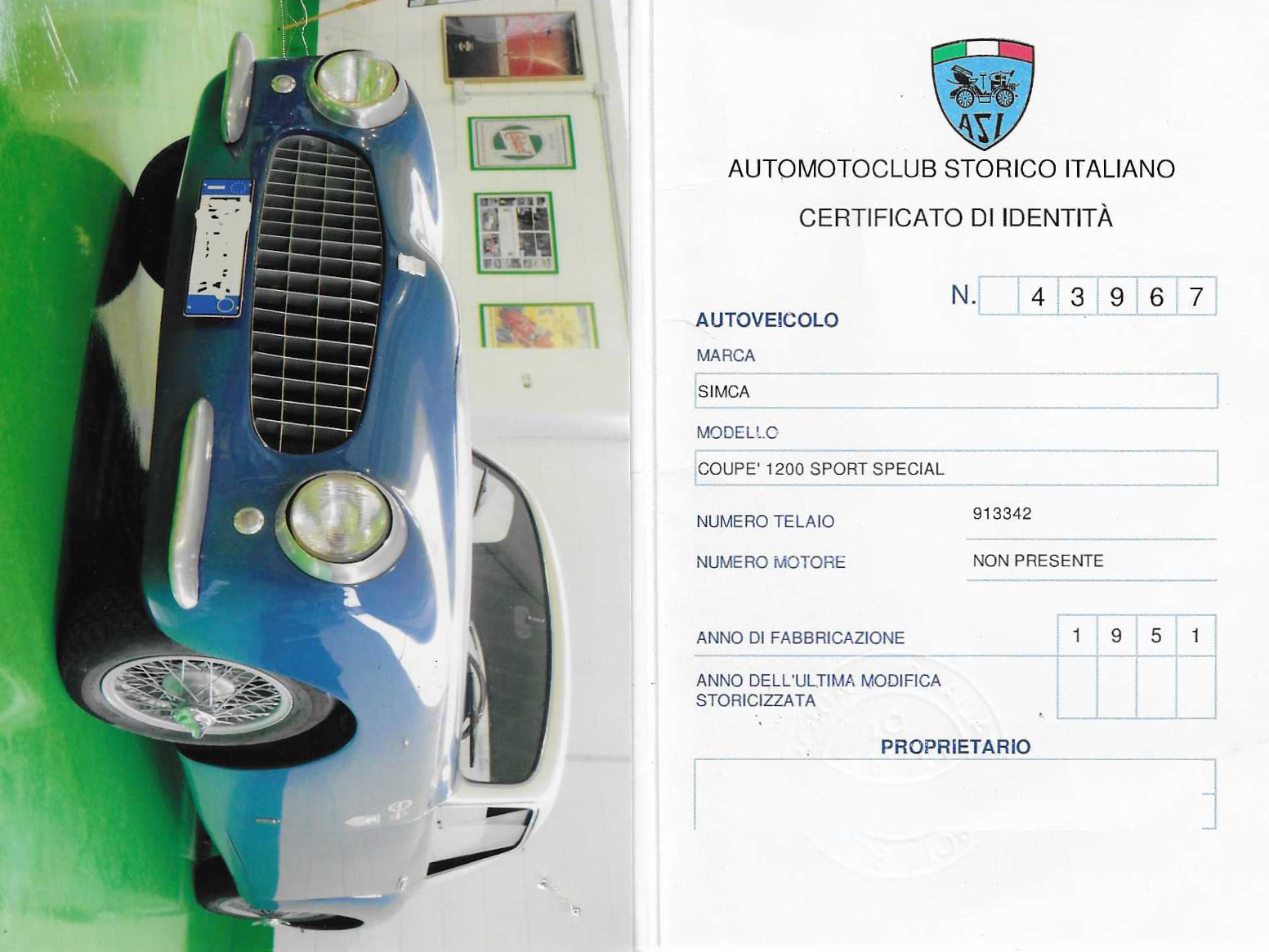
CHASSIS: 913342
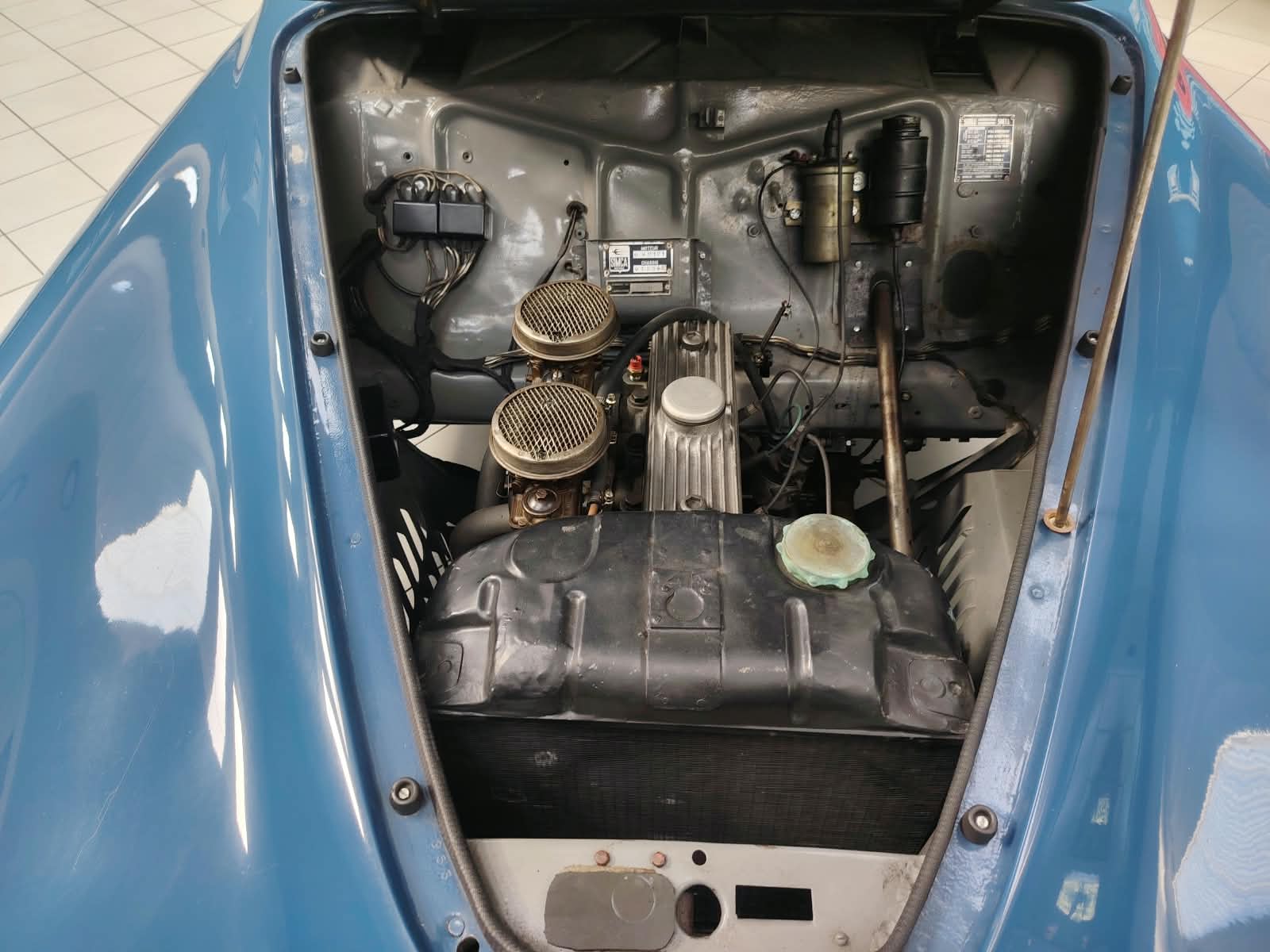
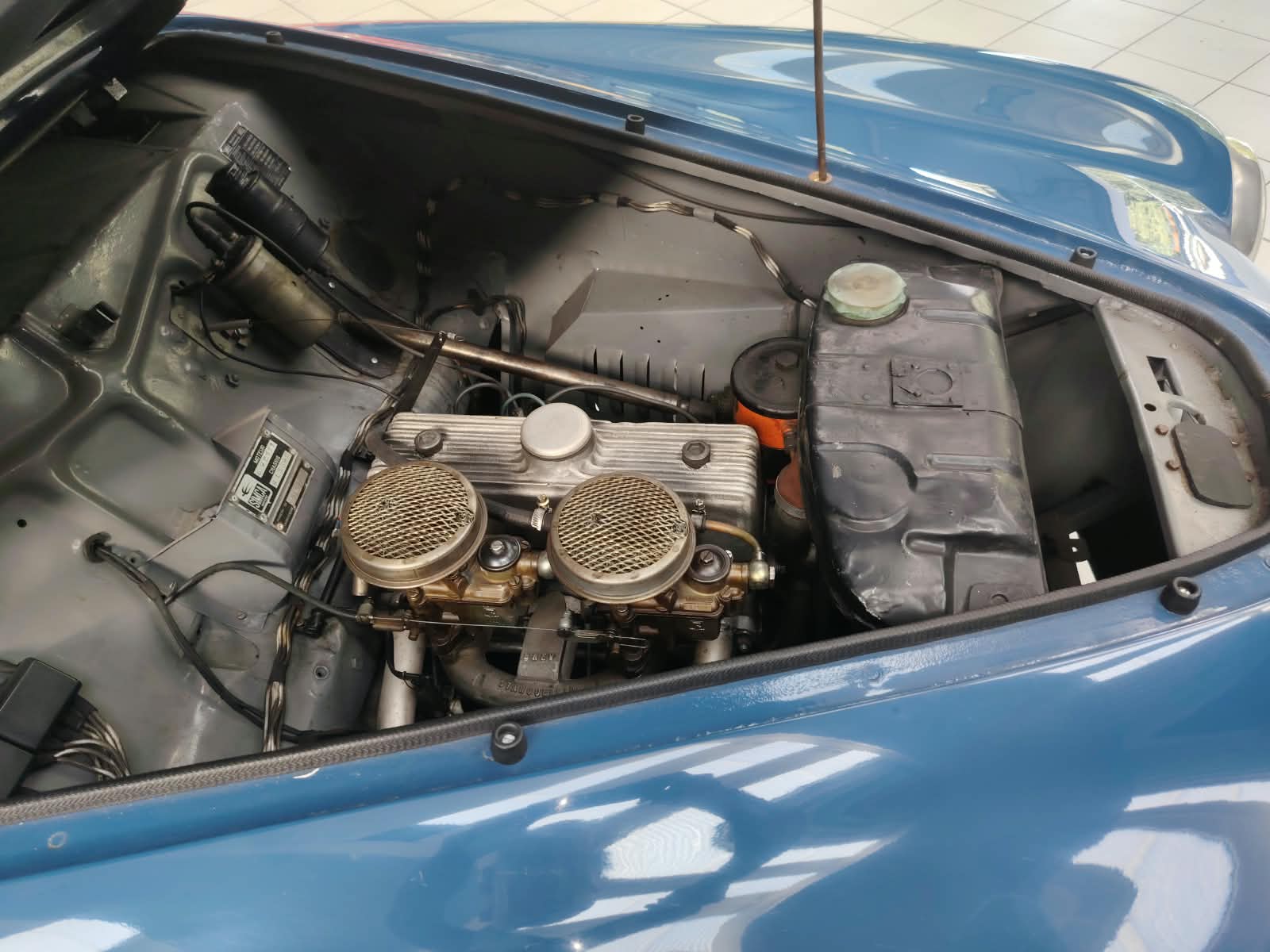
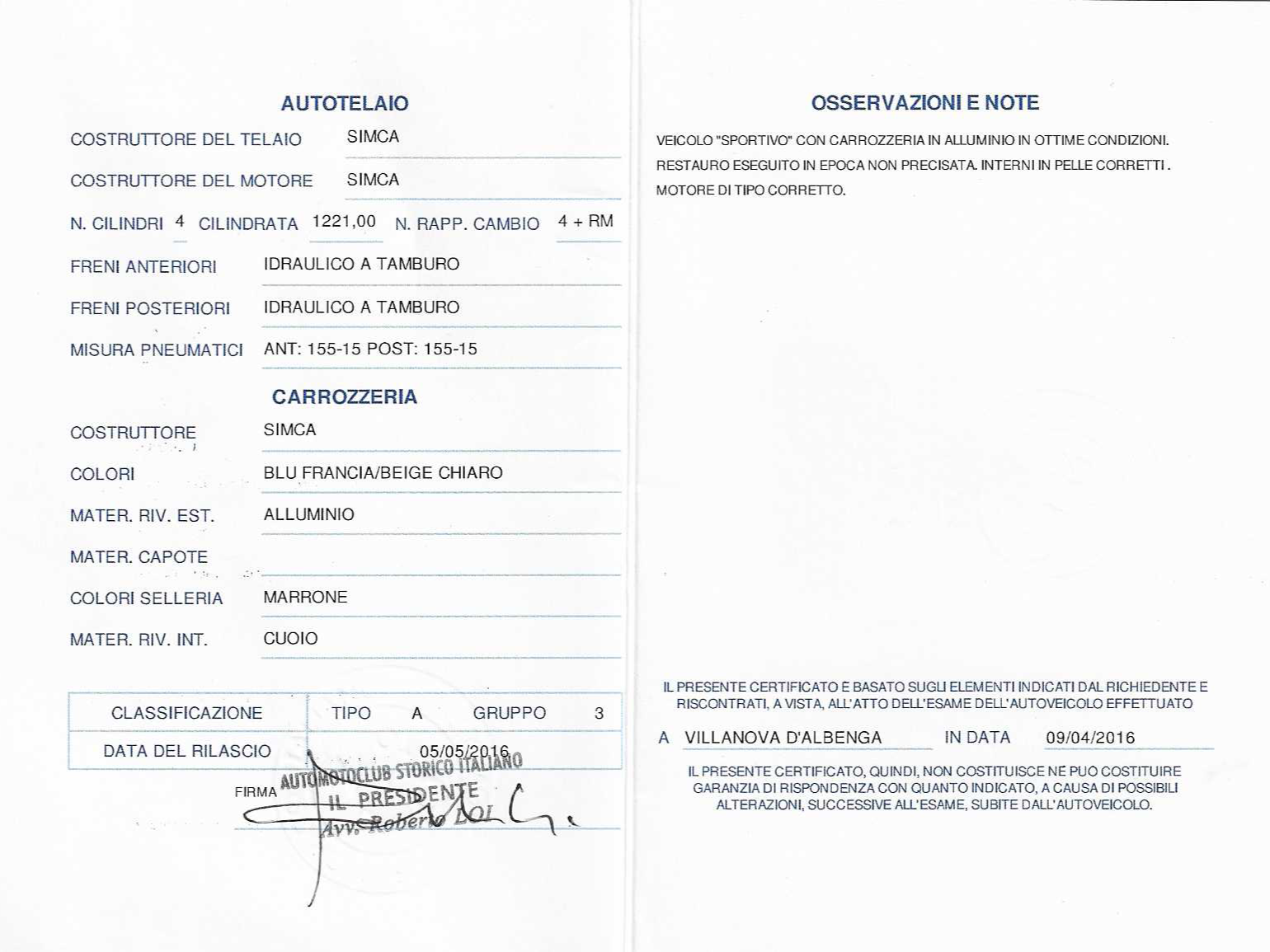
ENGINE DISPLACEMENT: 1,221 cc
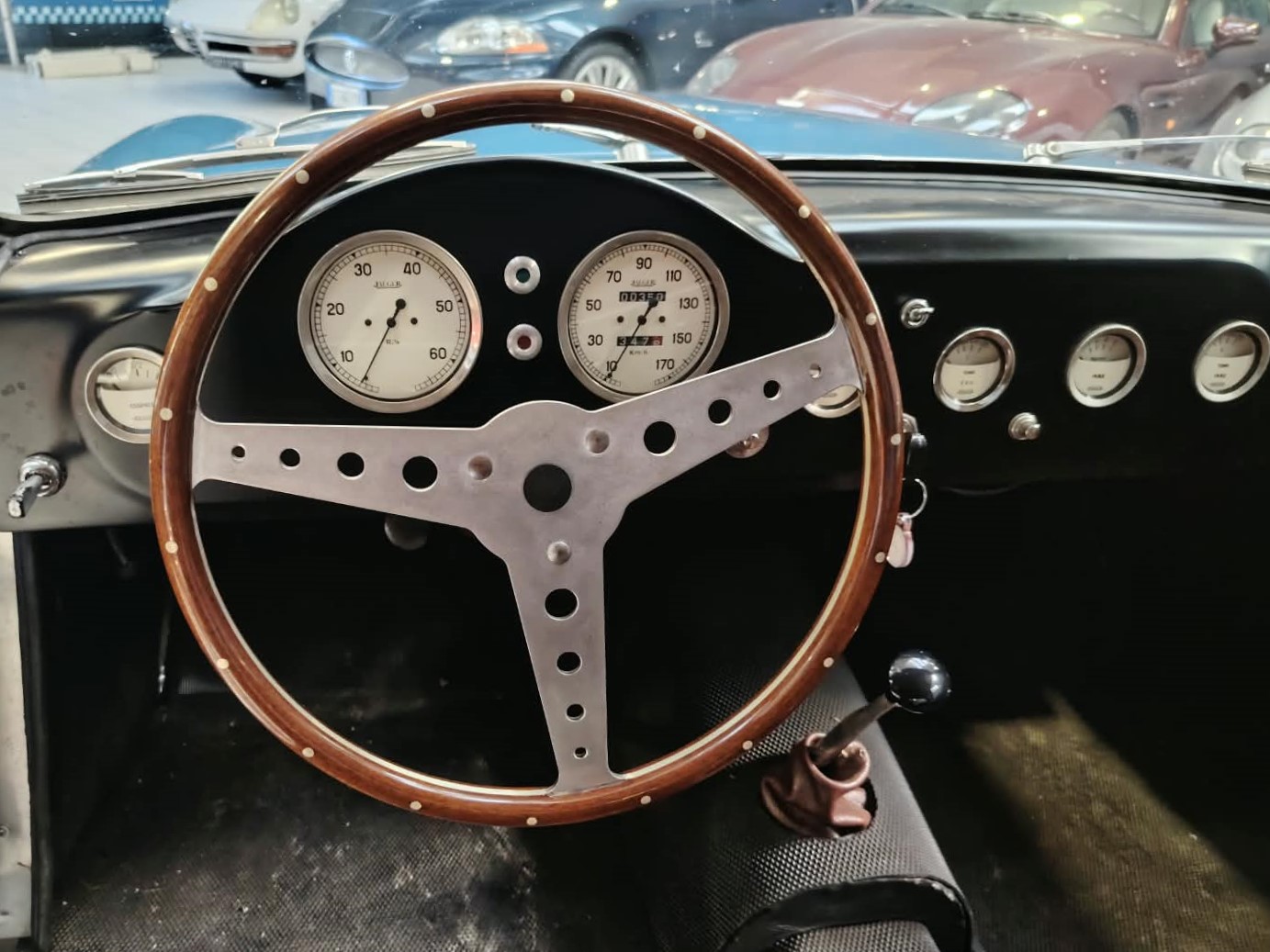
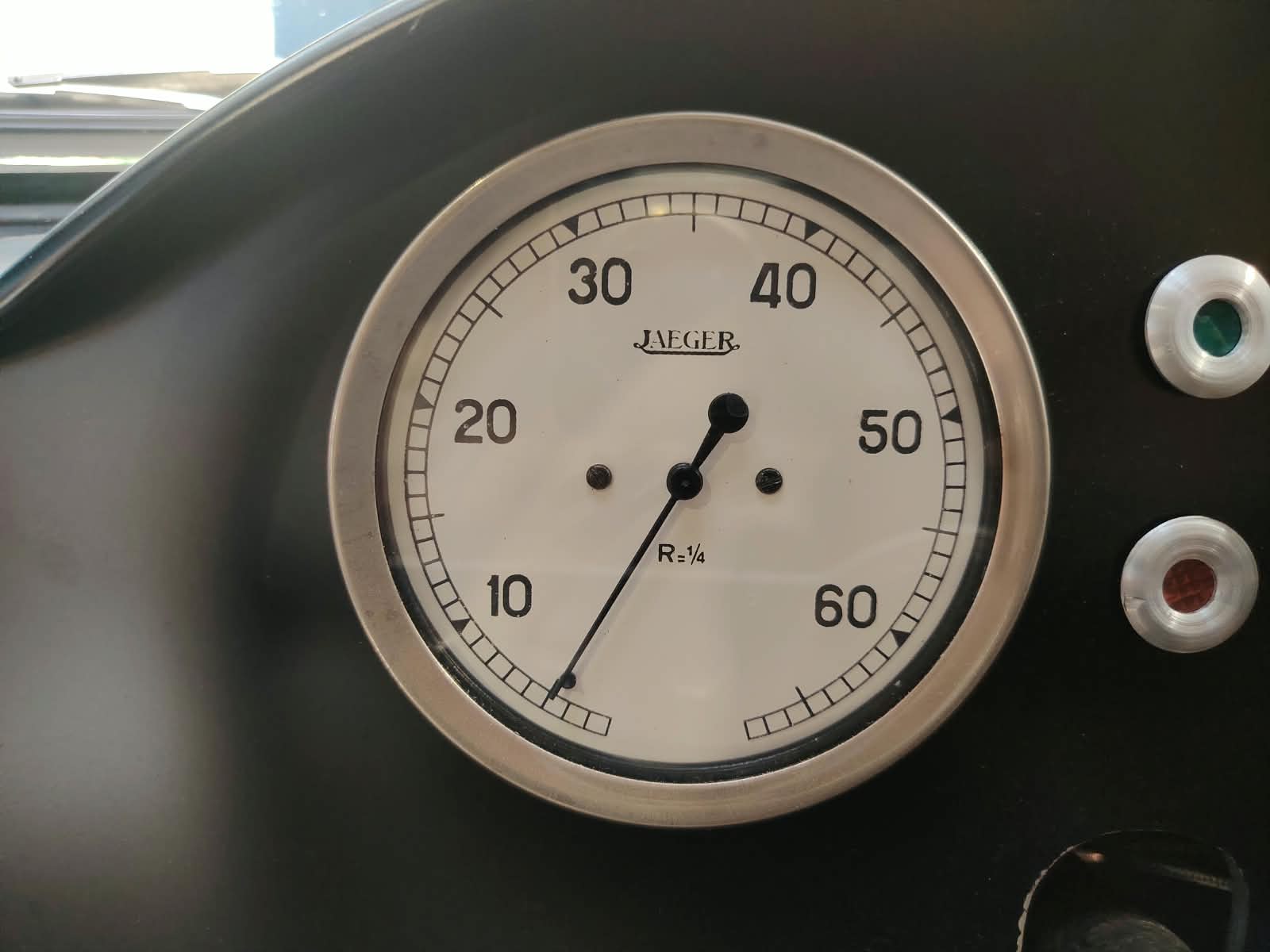
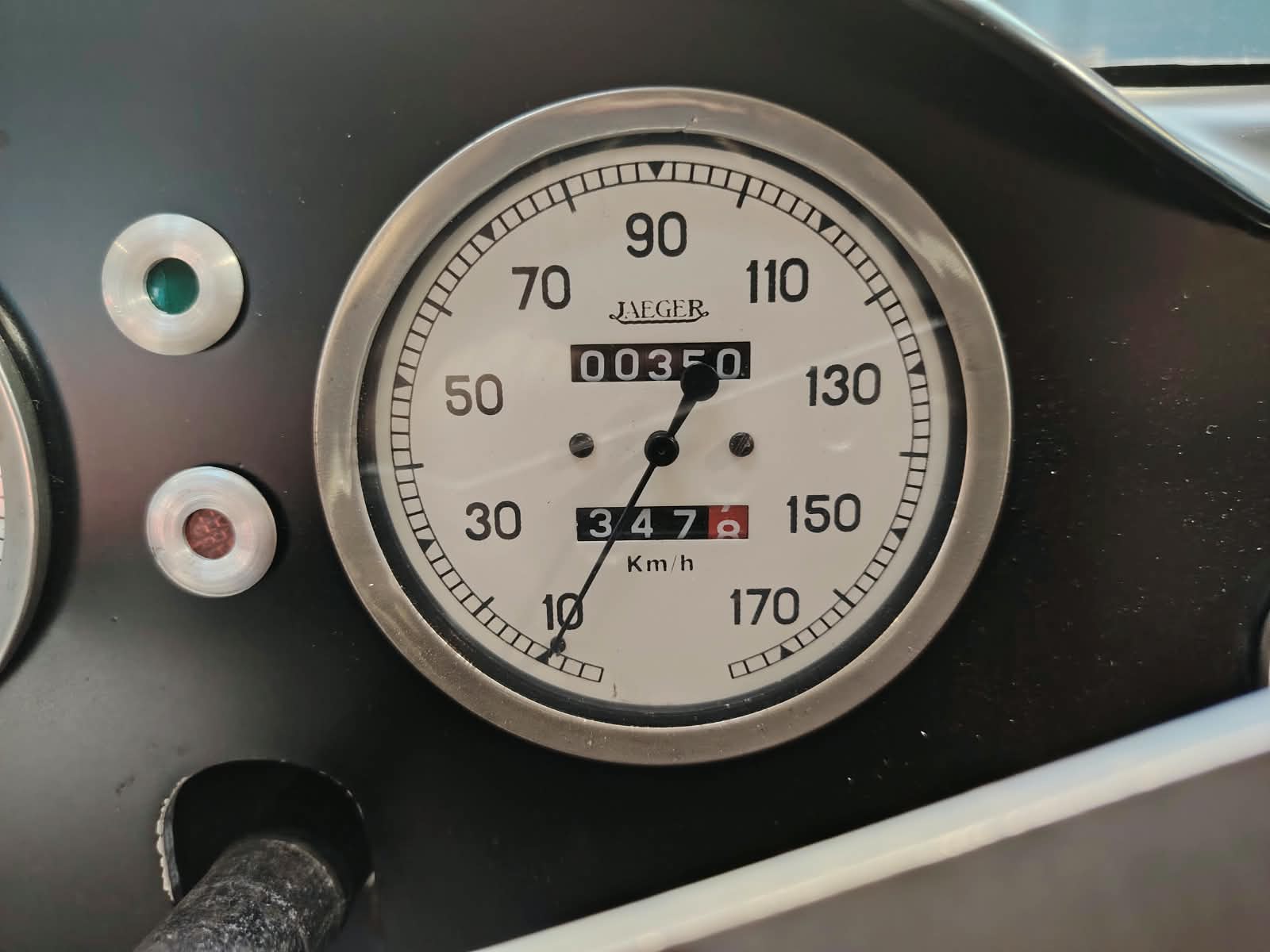
ODOMETER: 350 km
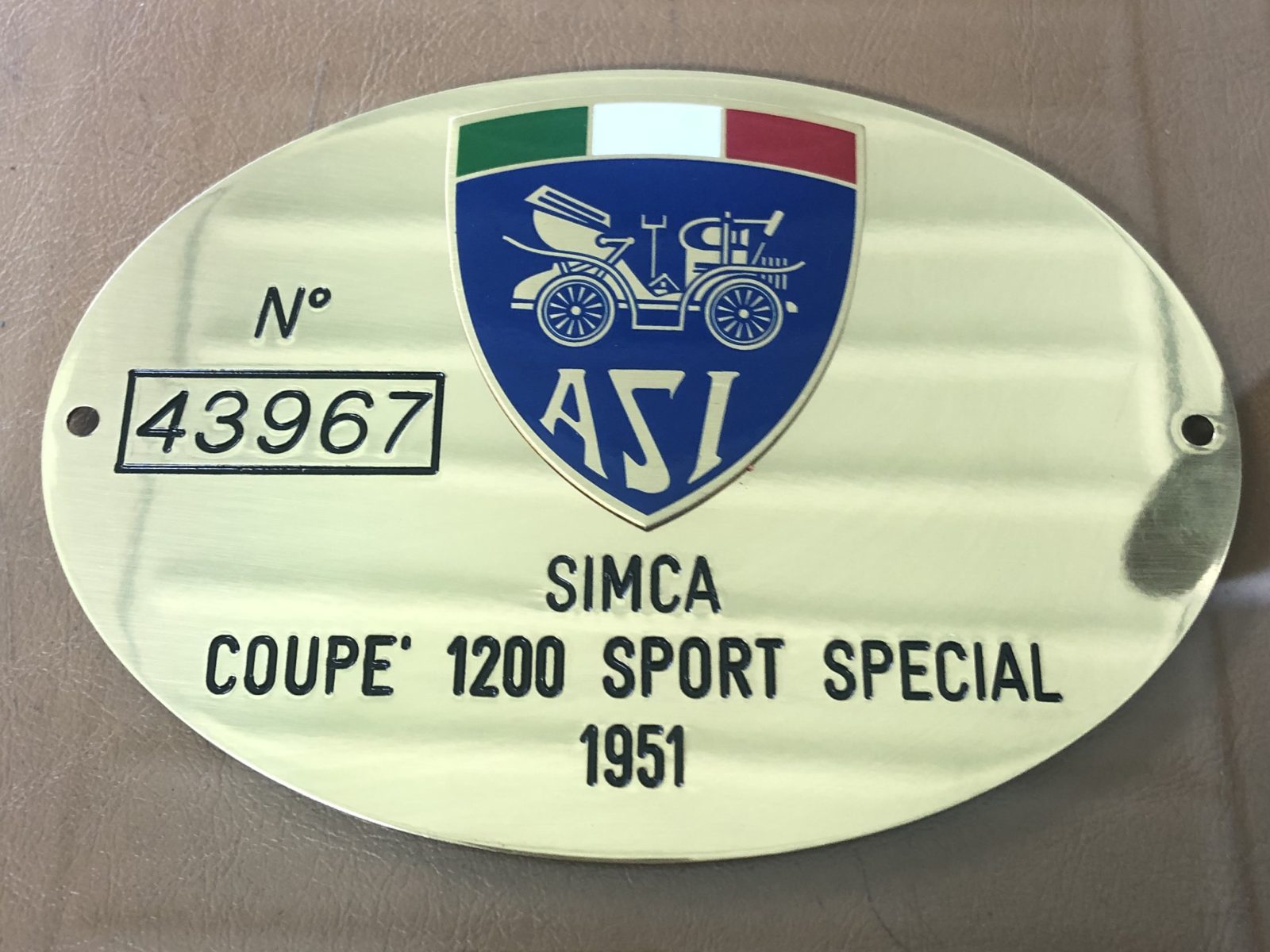
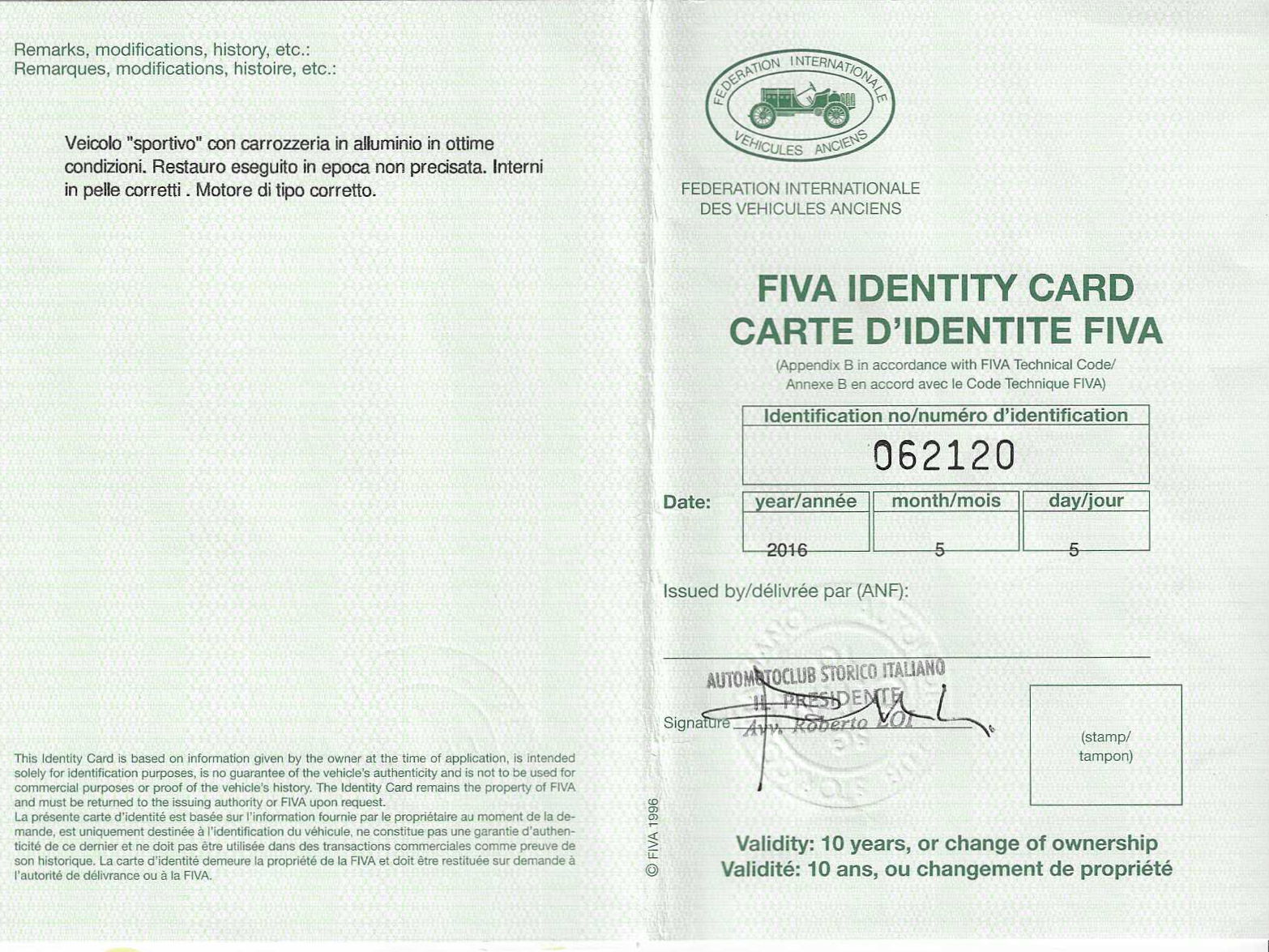
CERTIFICATIONS: ASI Gold Plate Certification; FIVA Identity Card
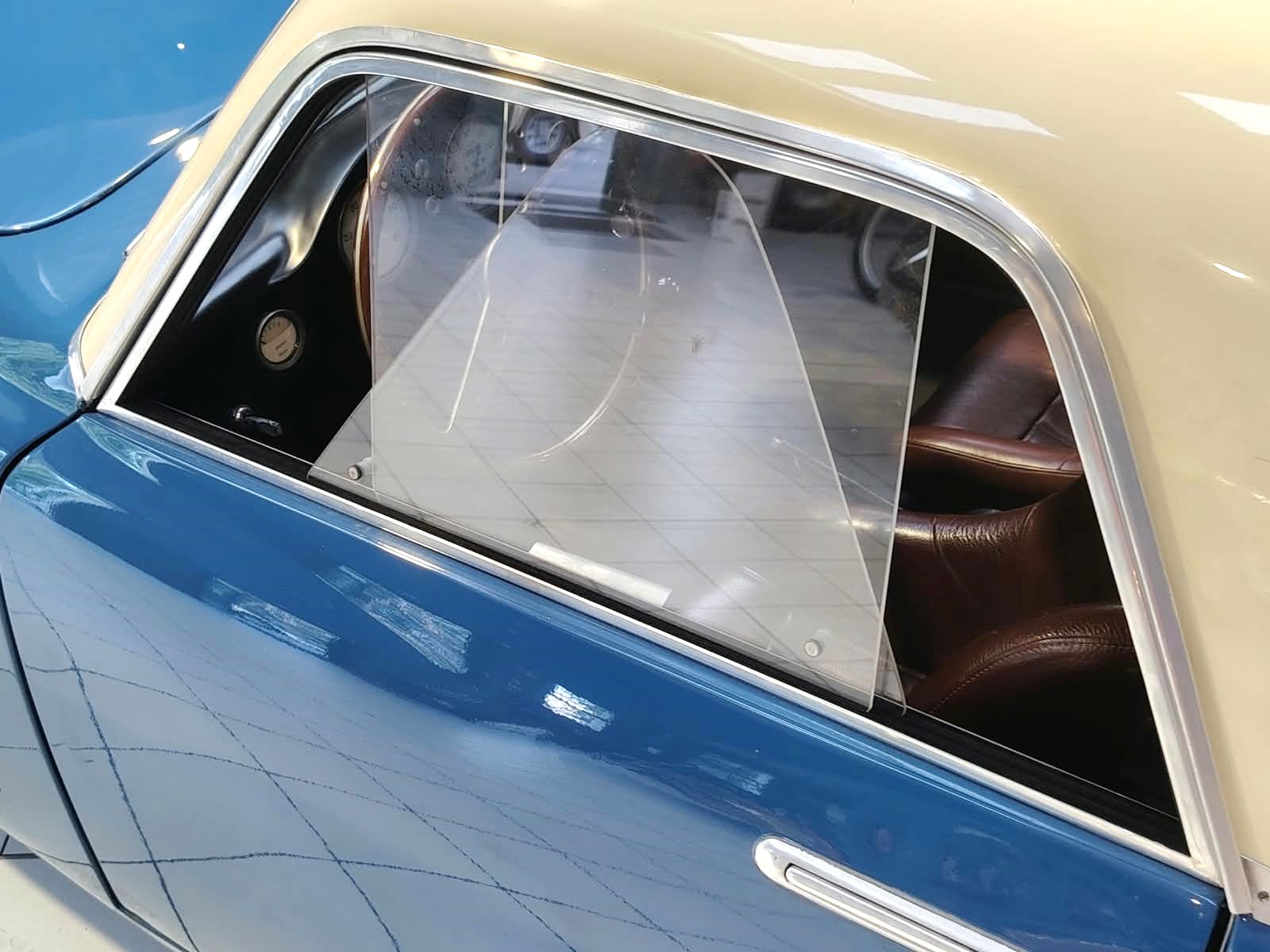
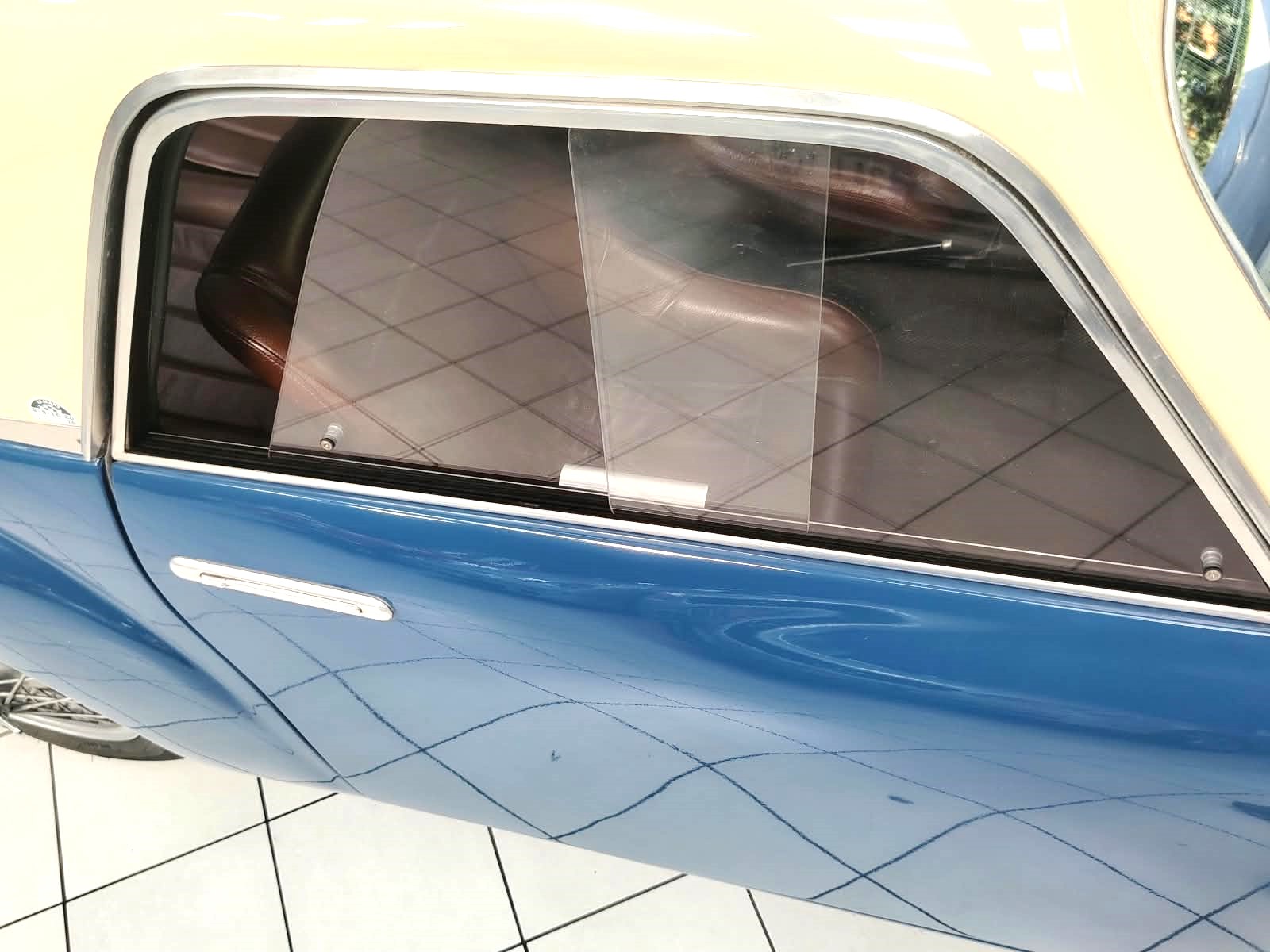
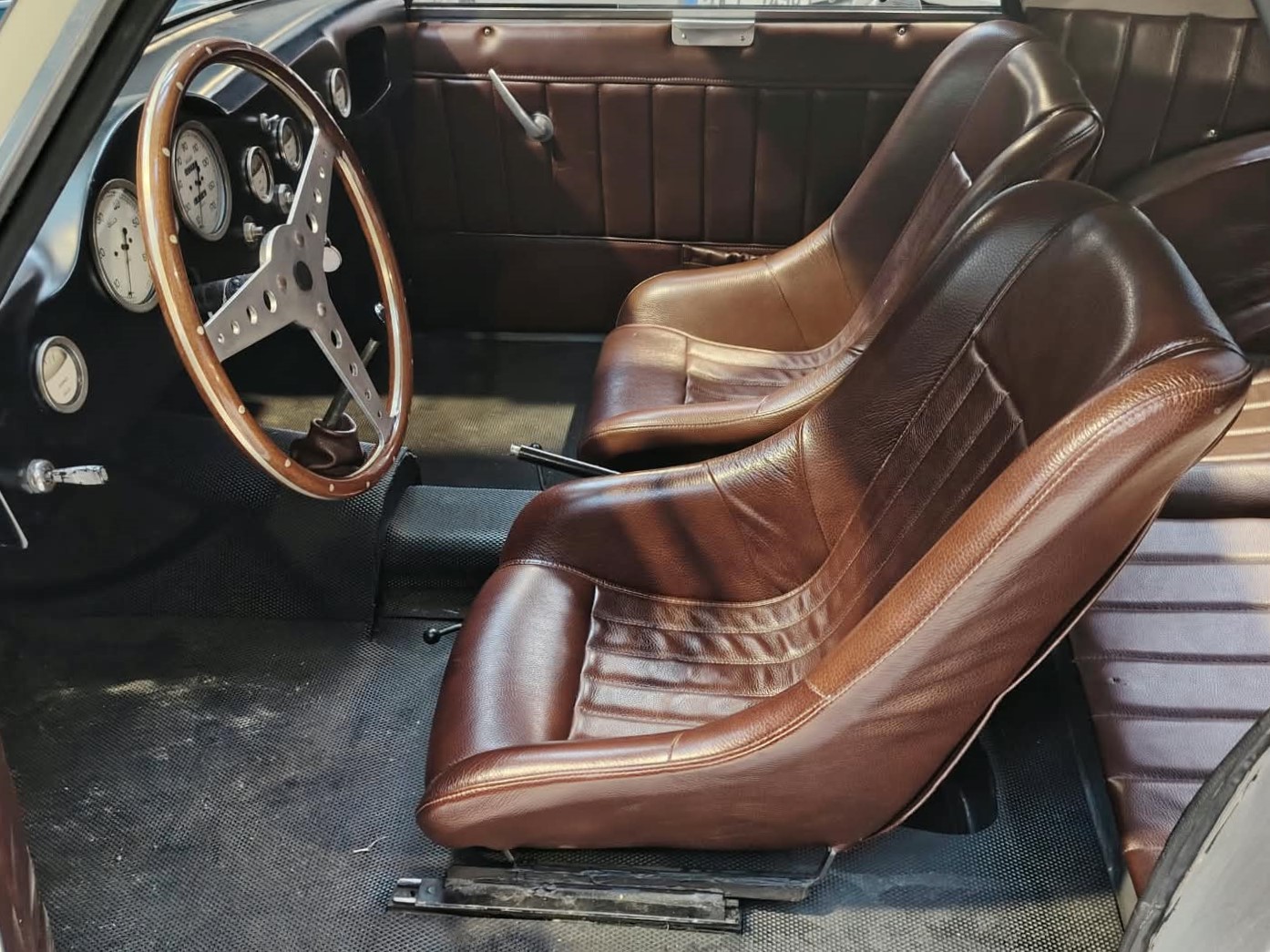
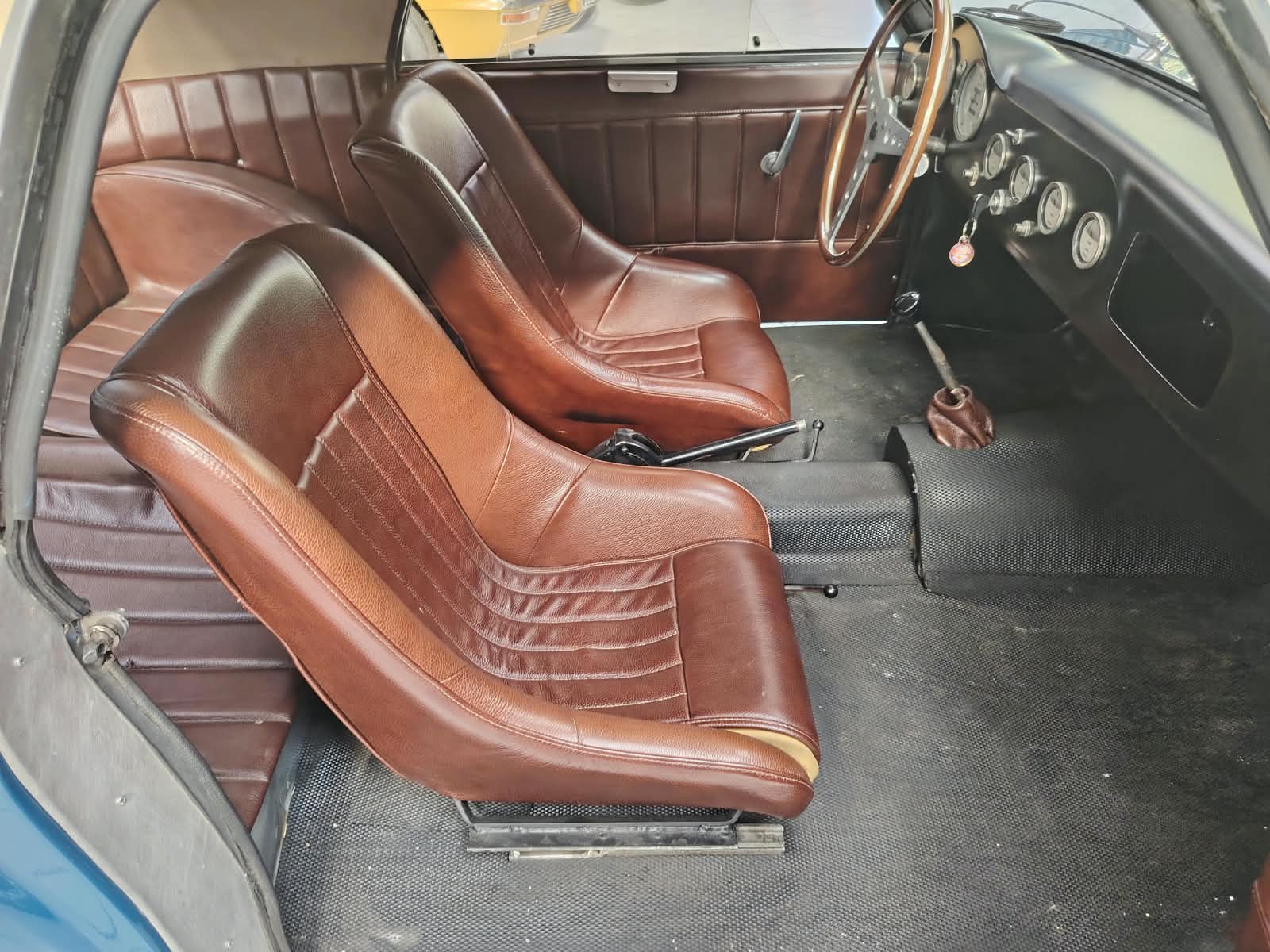
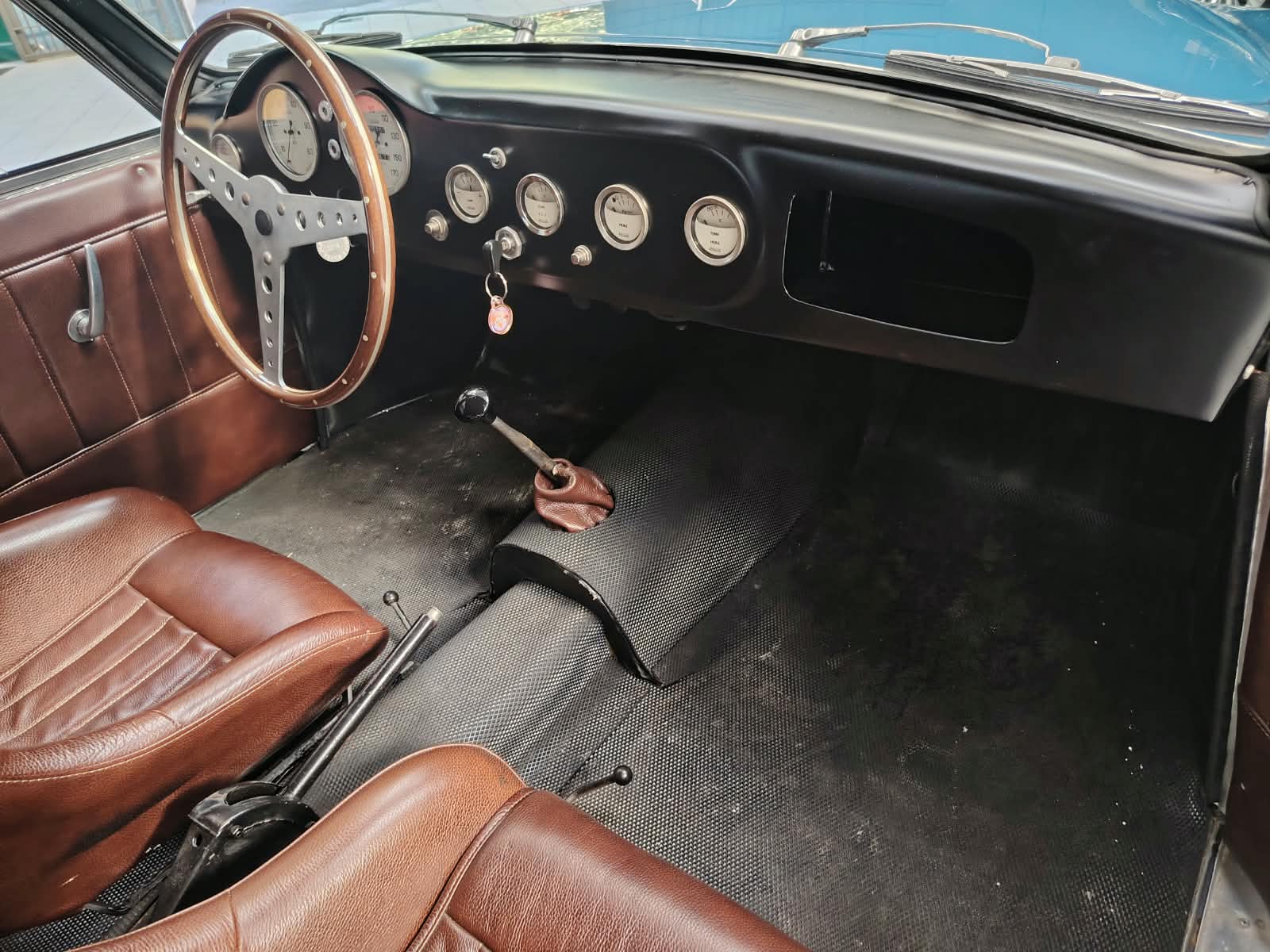
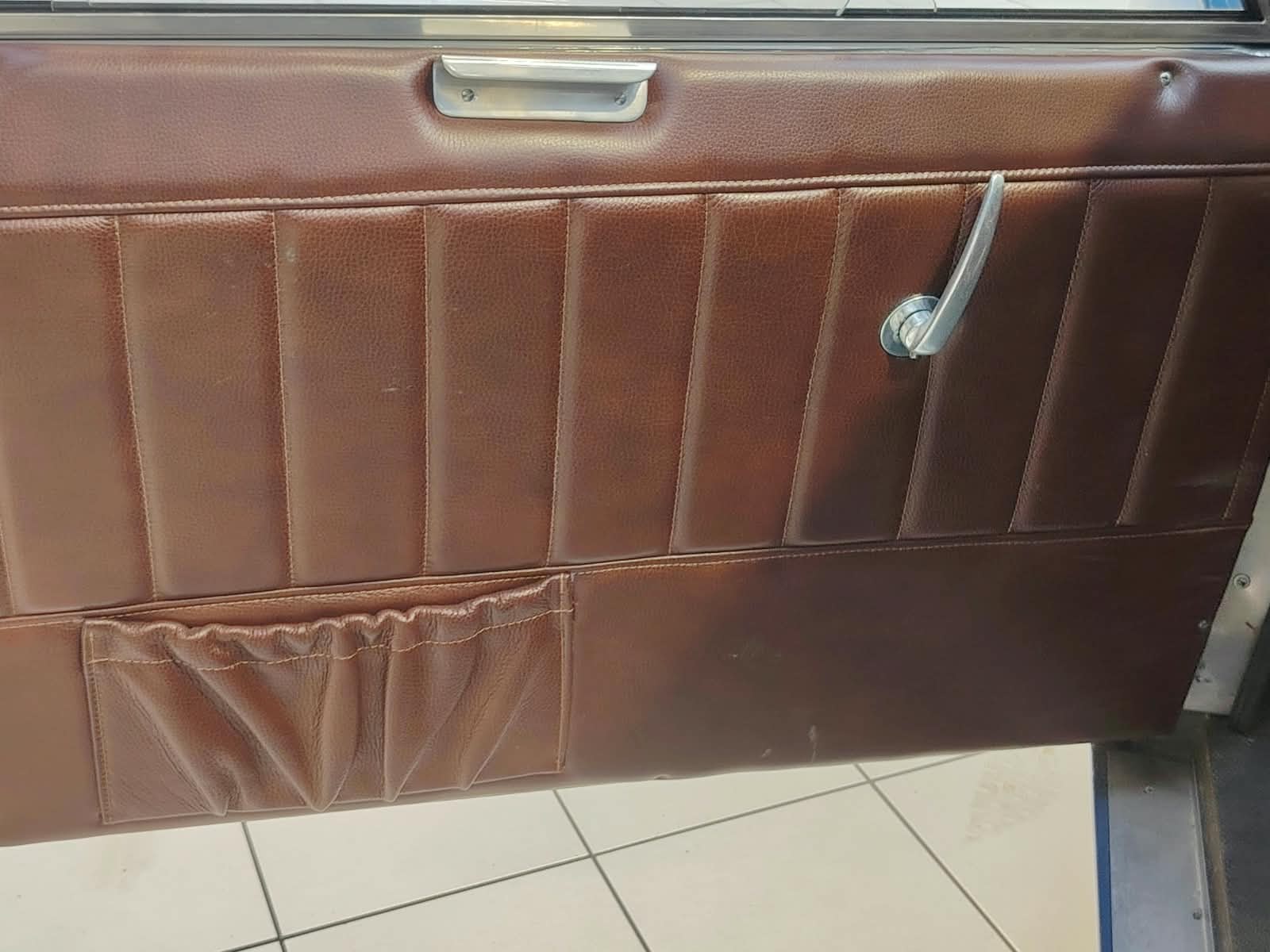
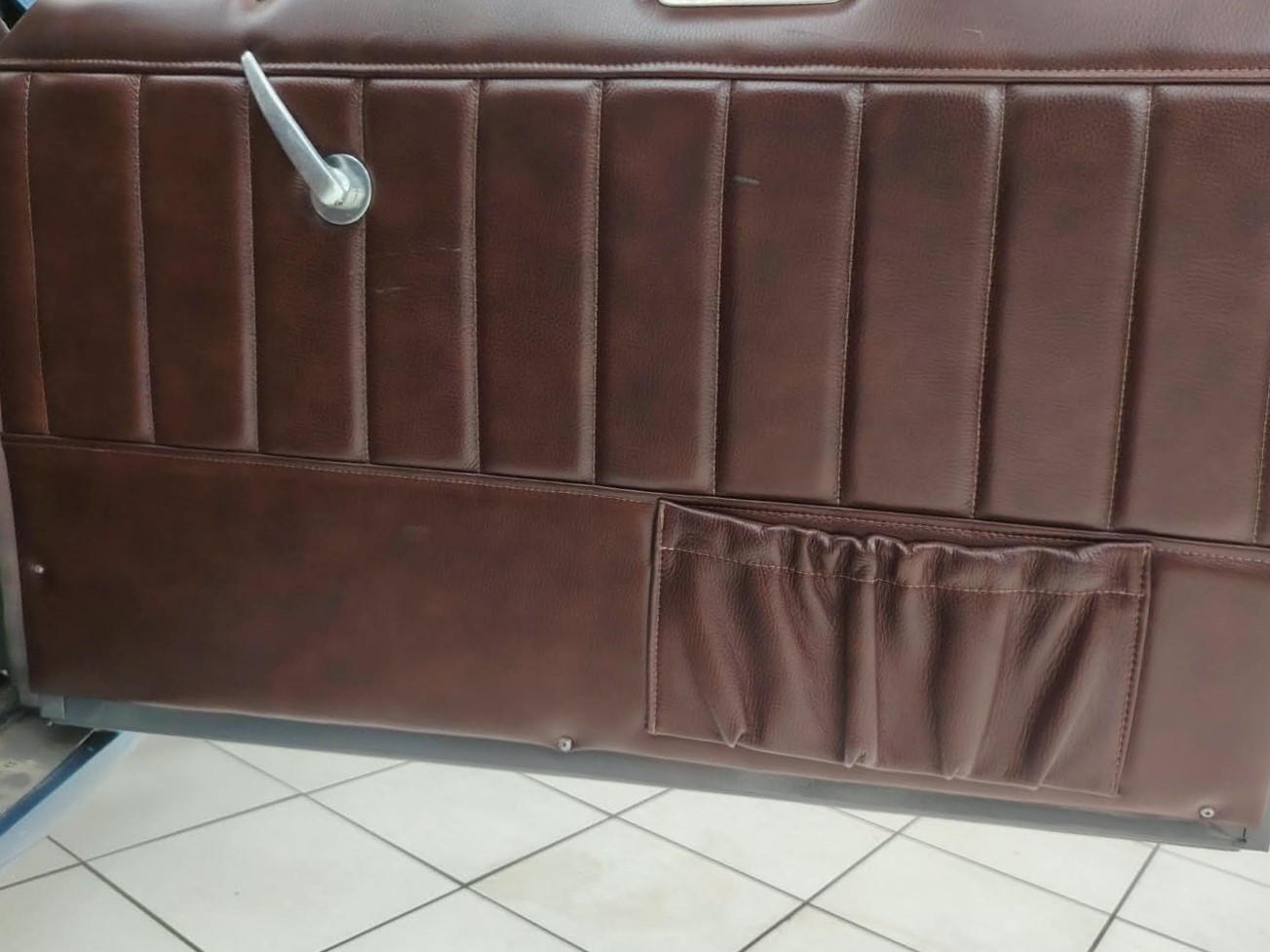
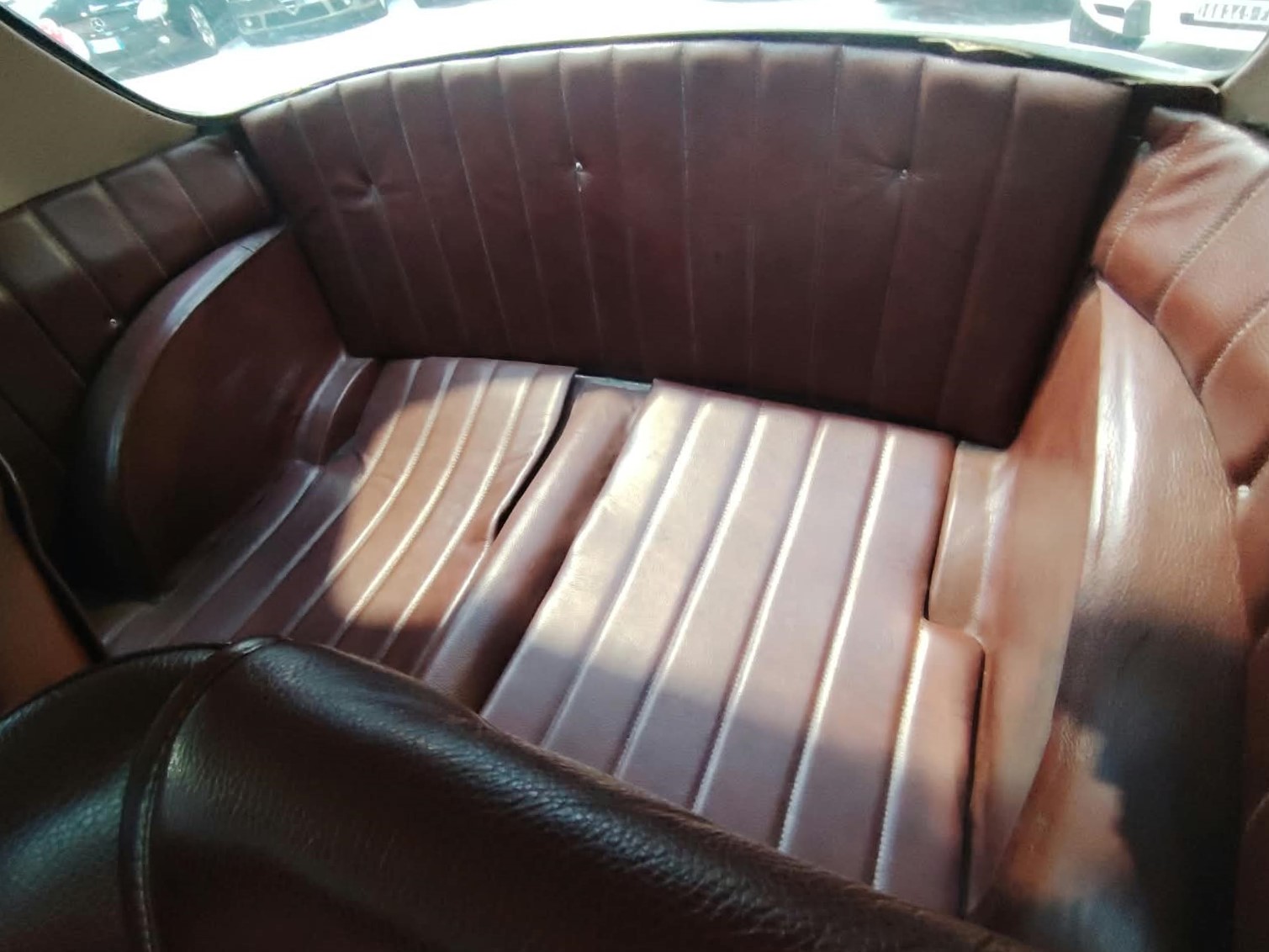
INTERIOR: Brown leather
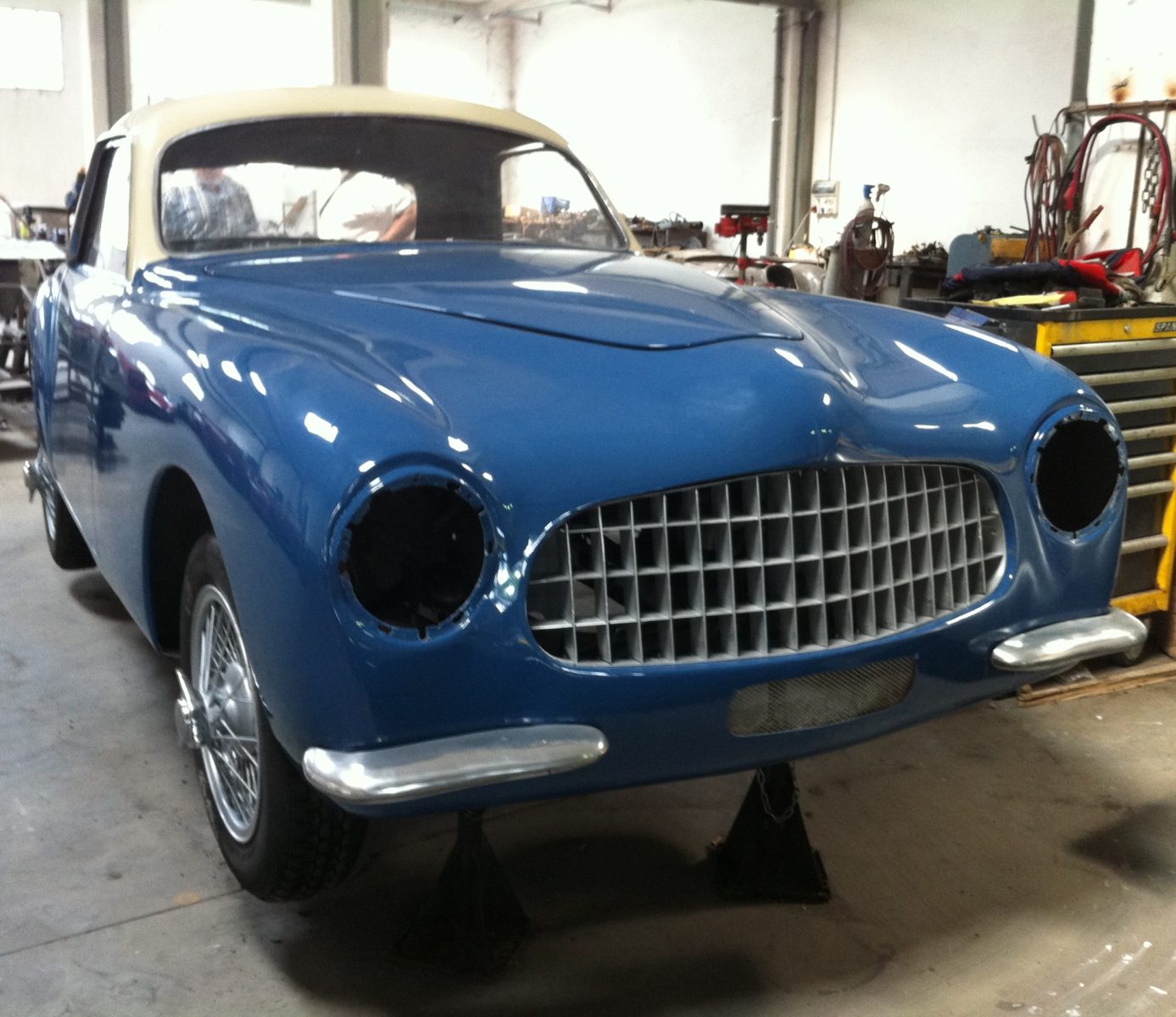
EXTERIOR: Blue
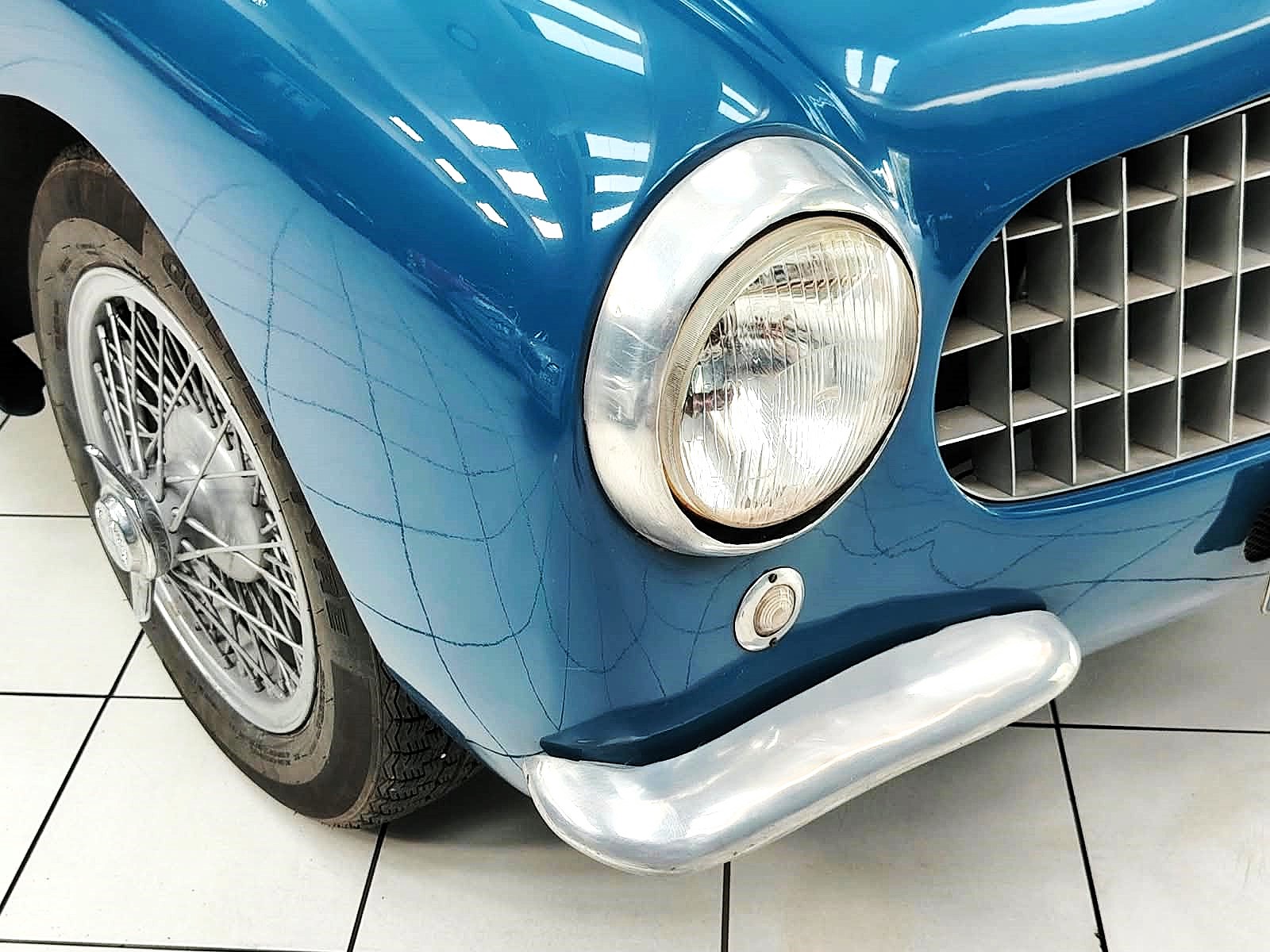
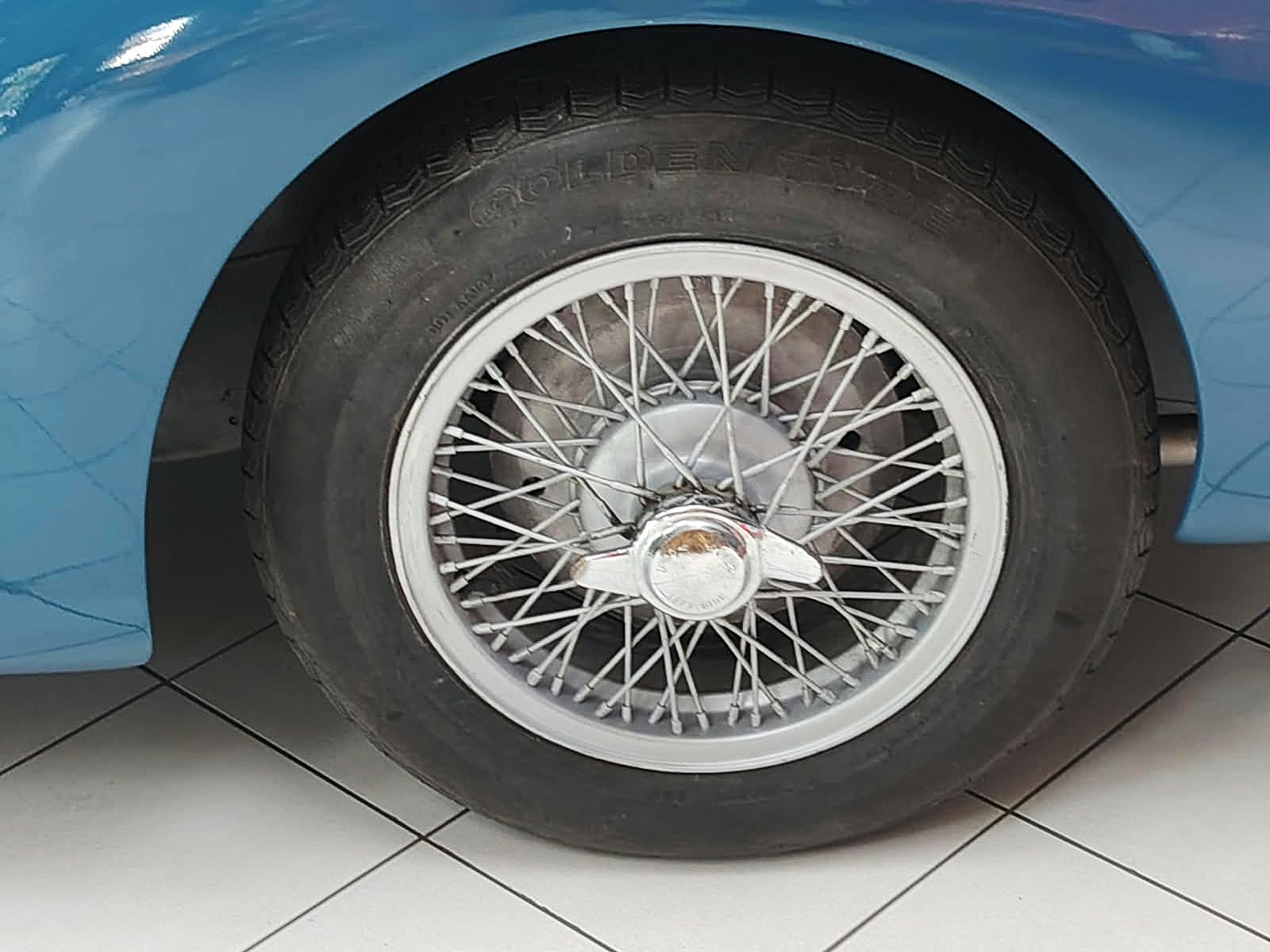
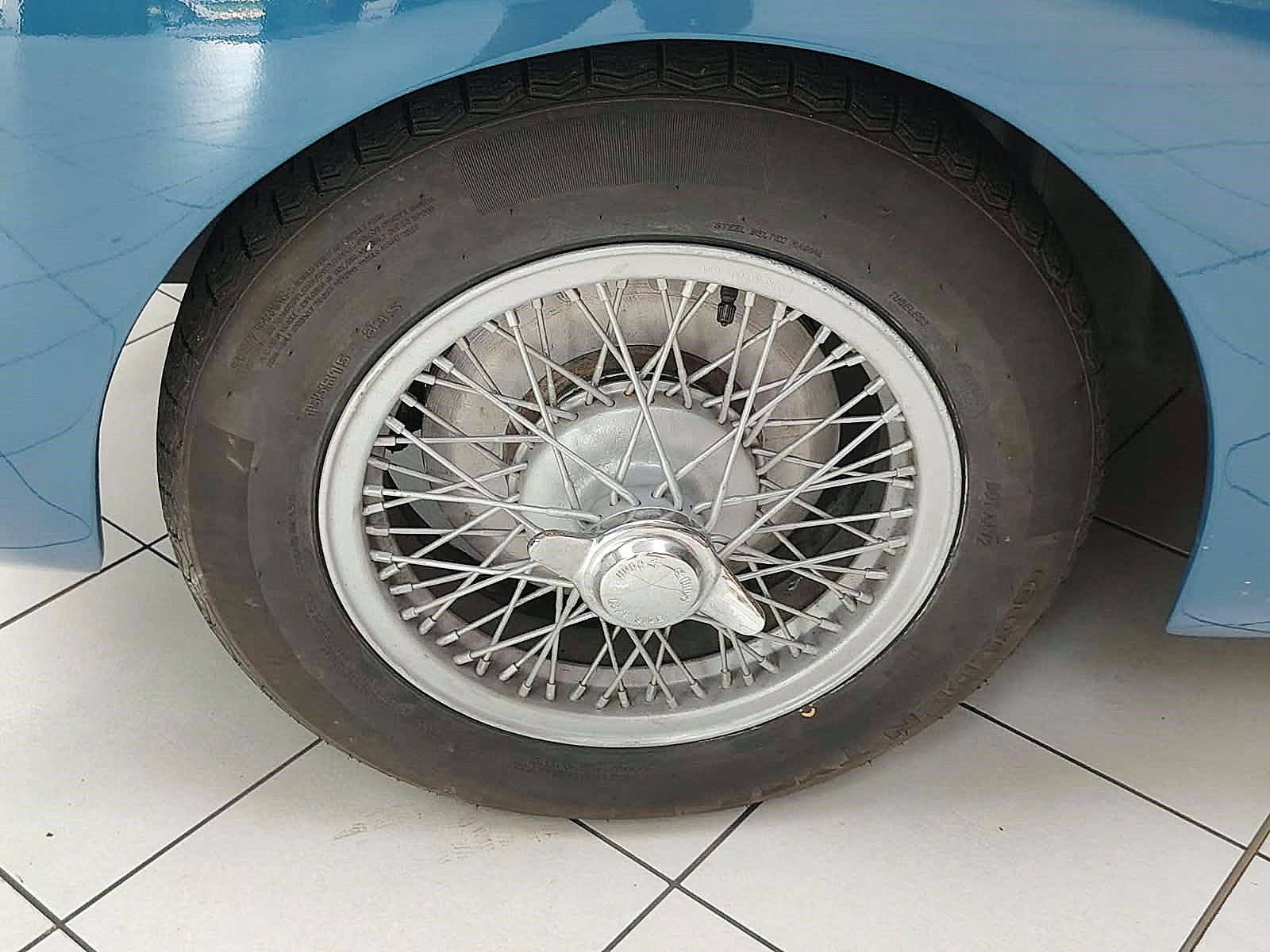
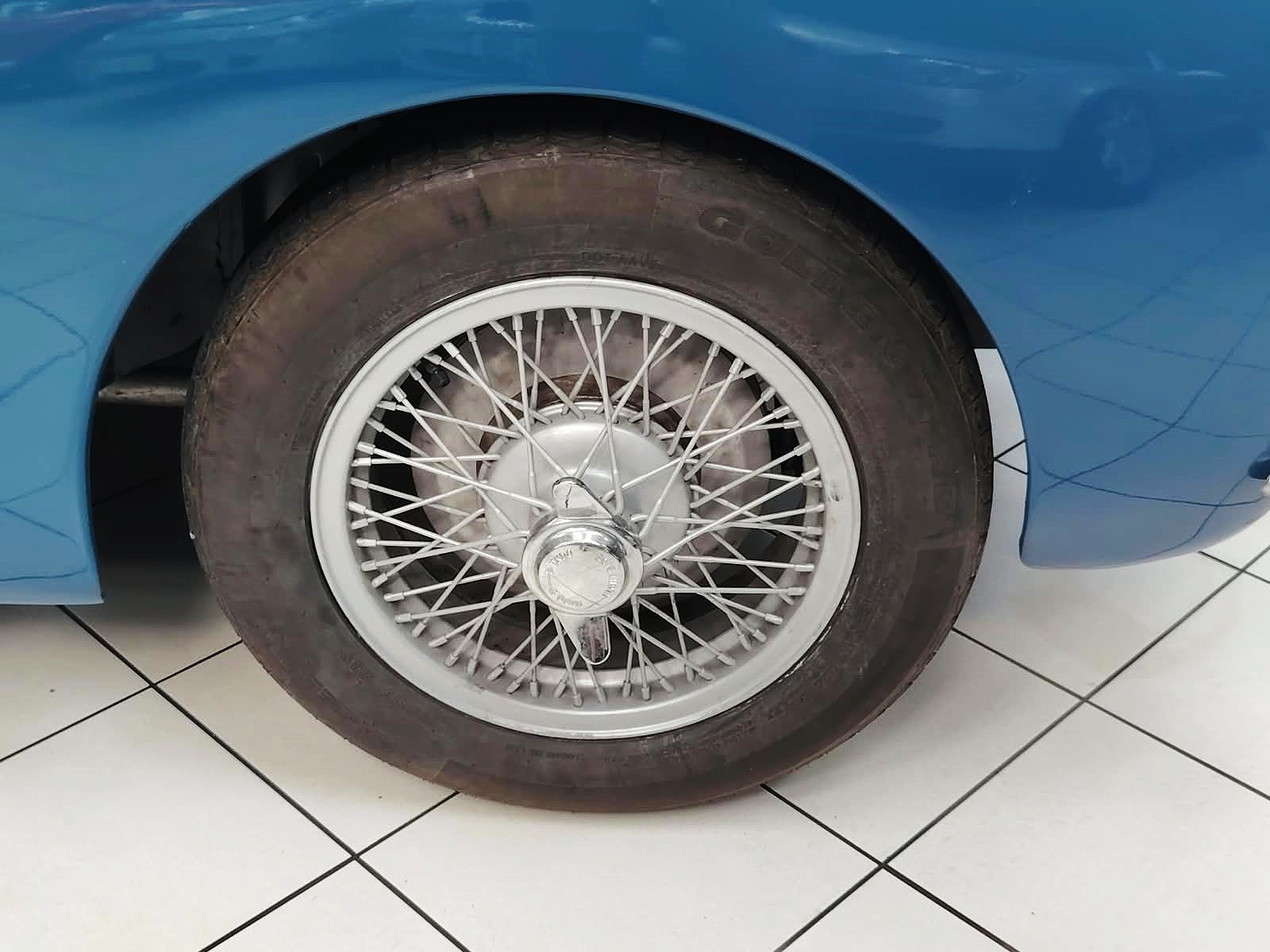
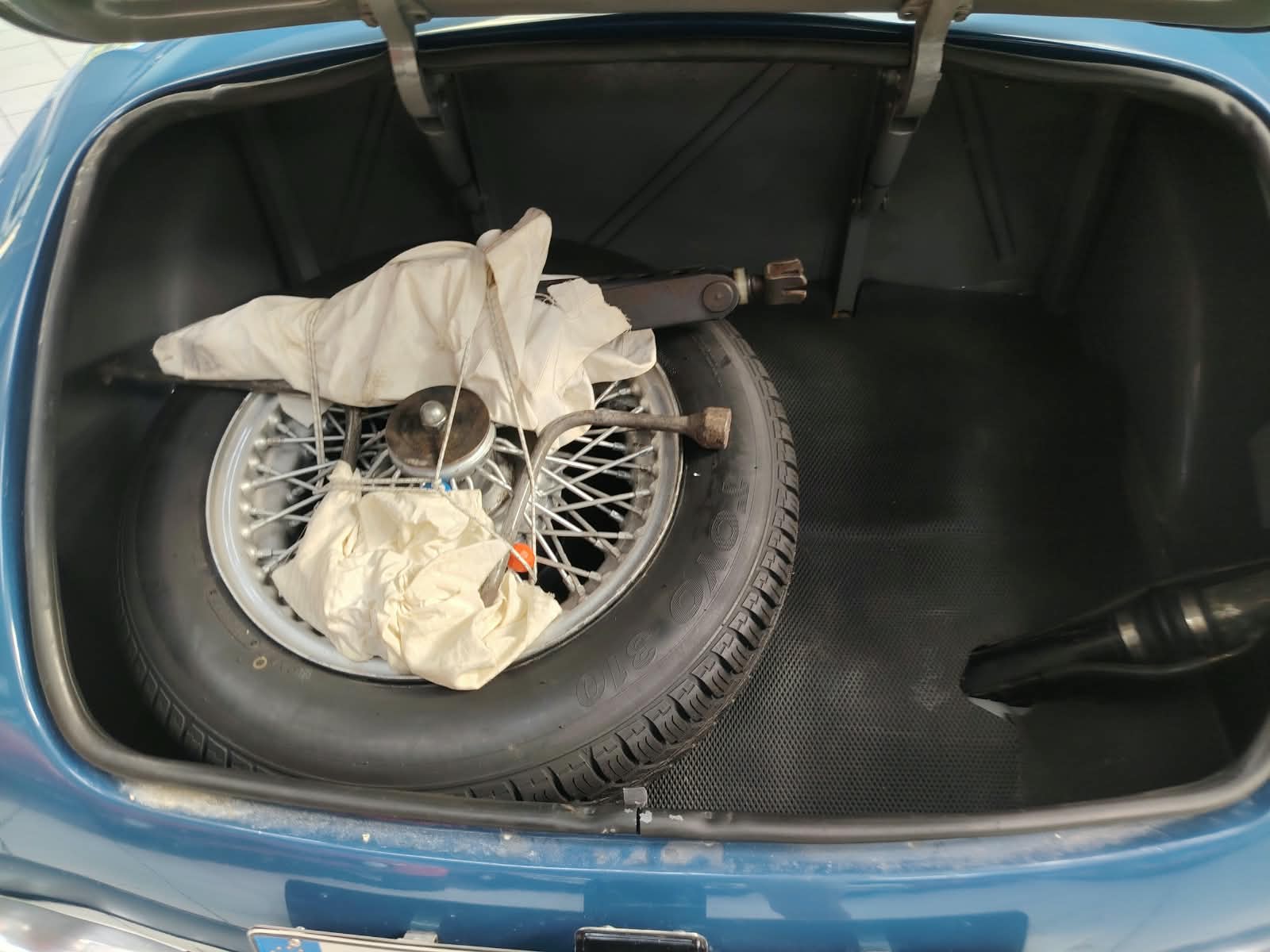
ACCESSORIES: Wire wheels
Description
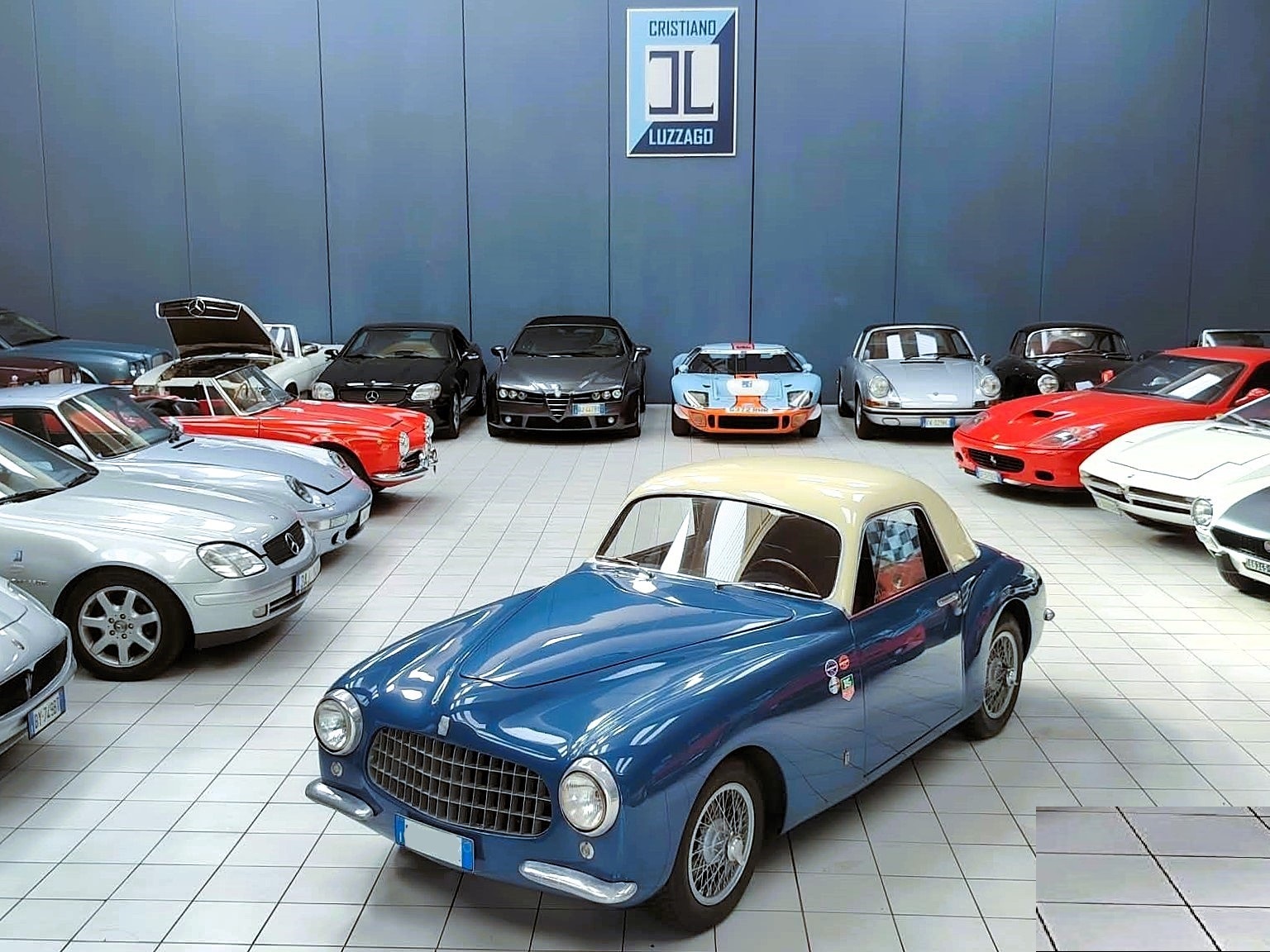
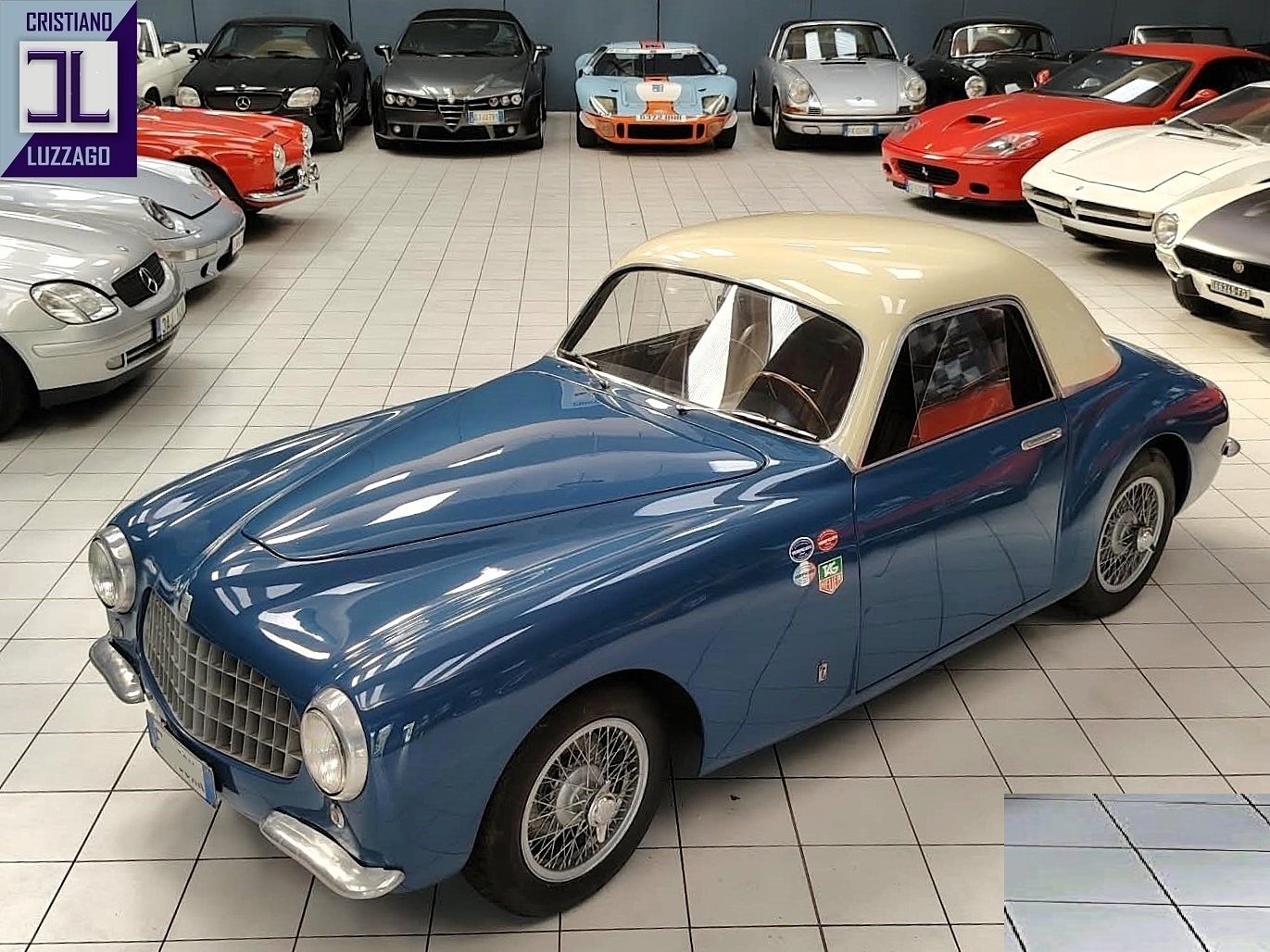
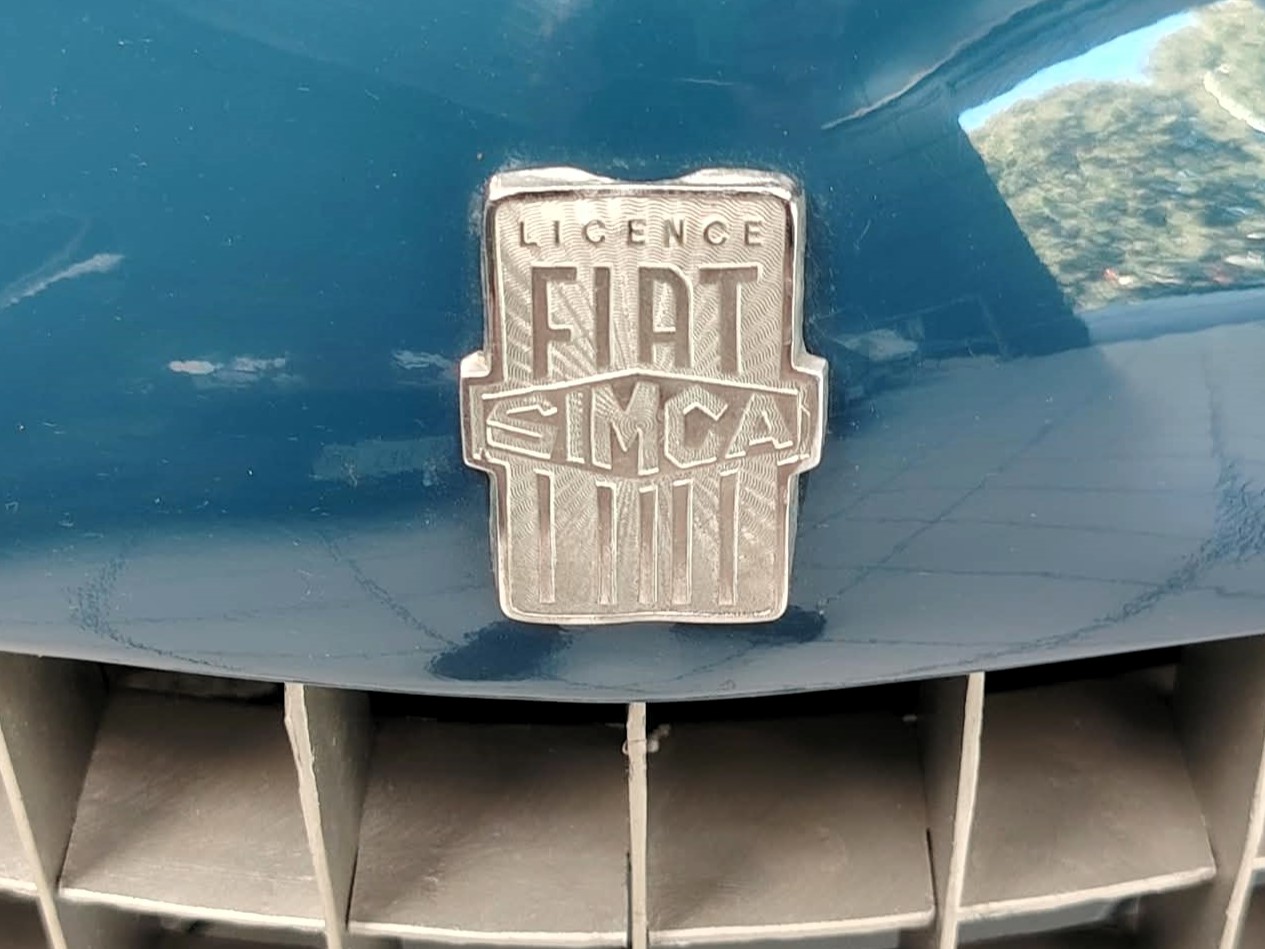
Rare and elegant 1951 Simca 8 Sport 1200 Coupé, built in France by SIMCA, a manufacturer historically linked to Fiat and producing Fiat automobiles under licence, using mechanical components derived from the Fiat 1100/Simca 8.
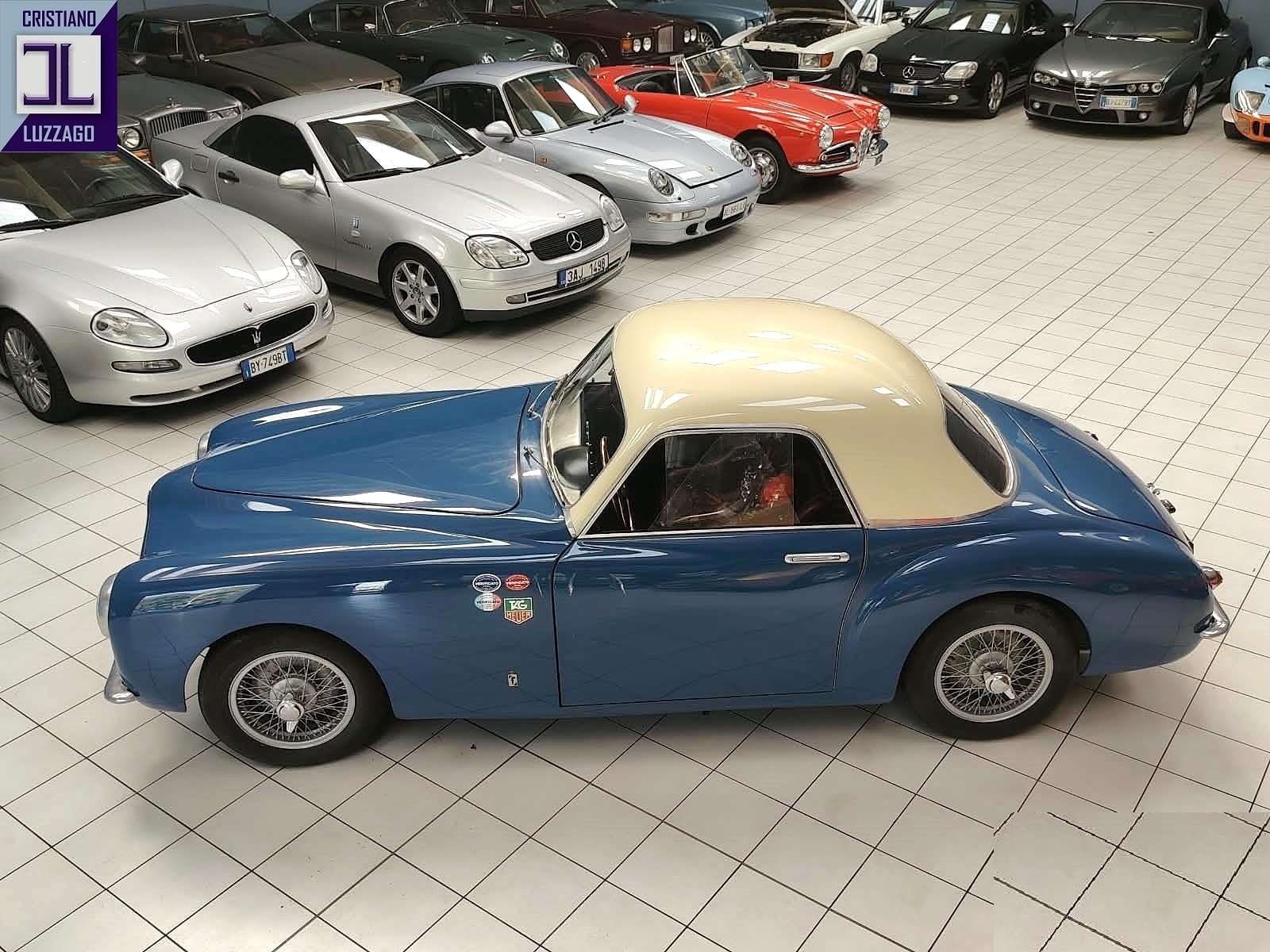
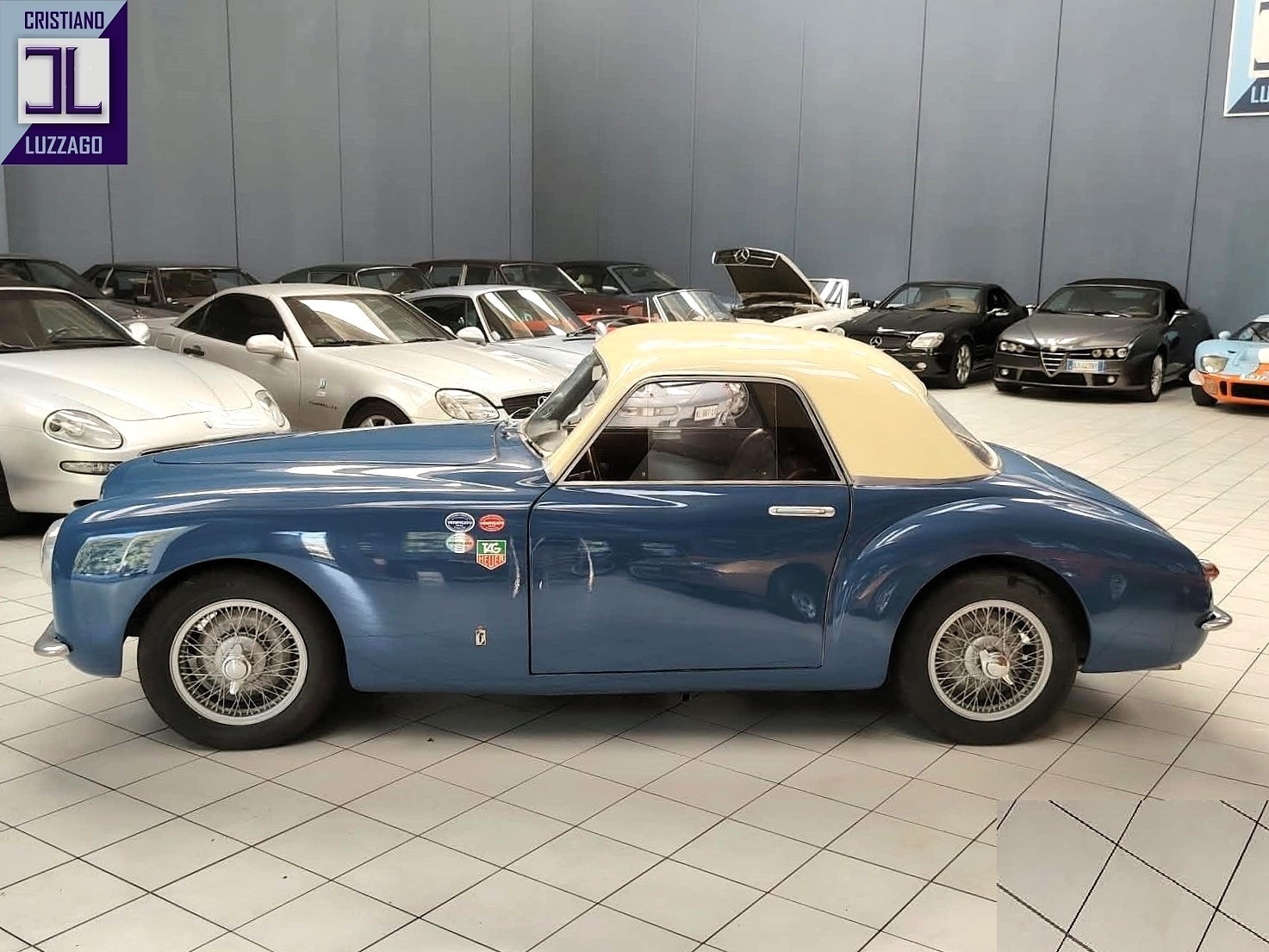
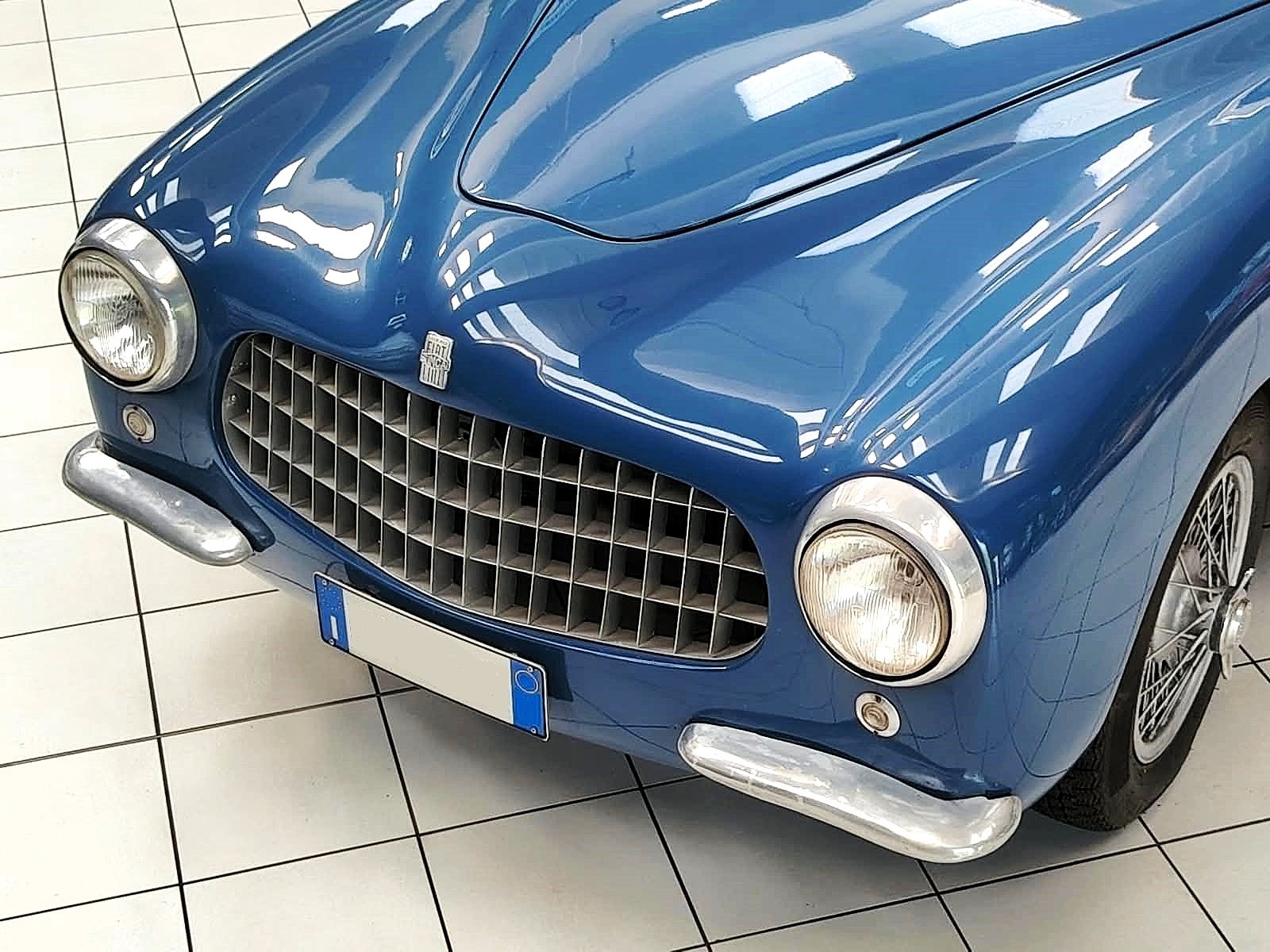
The Simca 8 Sport represents one of the most interesting expressions of post-war French motoring: a relatively low-production sporting car characterised by sophisticated Italian-influenced bodywork and Simca mechanical components of Fiat origin. The design originated from the Farina tradition and was developed for French production by Facel-Métallon, the prestigious coachbuilder that would later become famous for the Facel Vega automobiles. Its elegant, aerodynamic styling belongs to the great Italian design tradition of the immediate post-war period and displays clear stylistic affinities with the contemporary Cisitalia 202.
The model was presented to the public in the late 1940s and the 8 Sport was produced in the early 1950s in both coupé and cabriolet forms. The lightweight aluminium body and particularly well-balanced proportions made the car one of the most attractive French Grand Touring cars of its period. Production ended in 1952, when the 8 Sport was succeeded by the new Simca 9 Sport, based on a different platform.
Technical characteristics
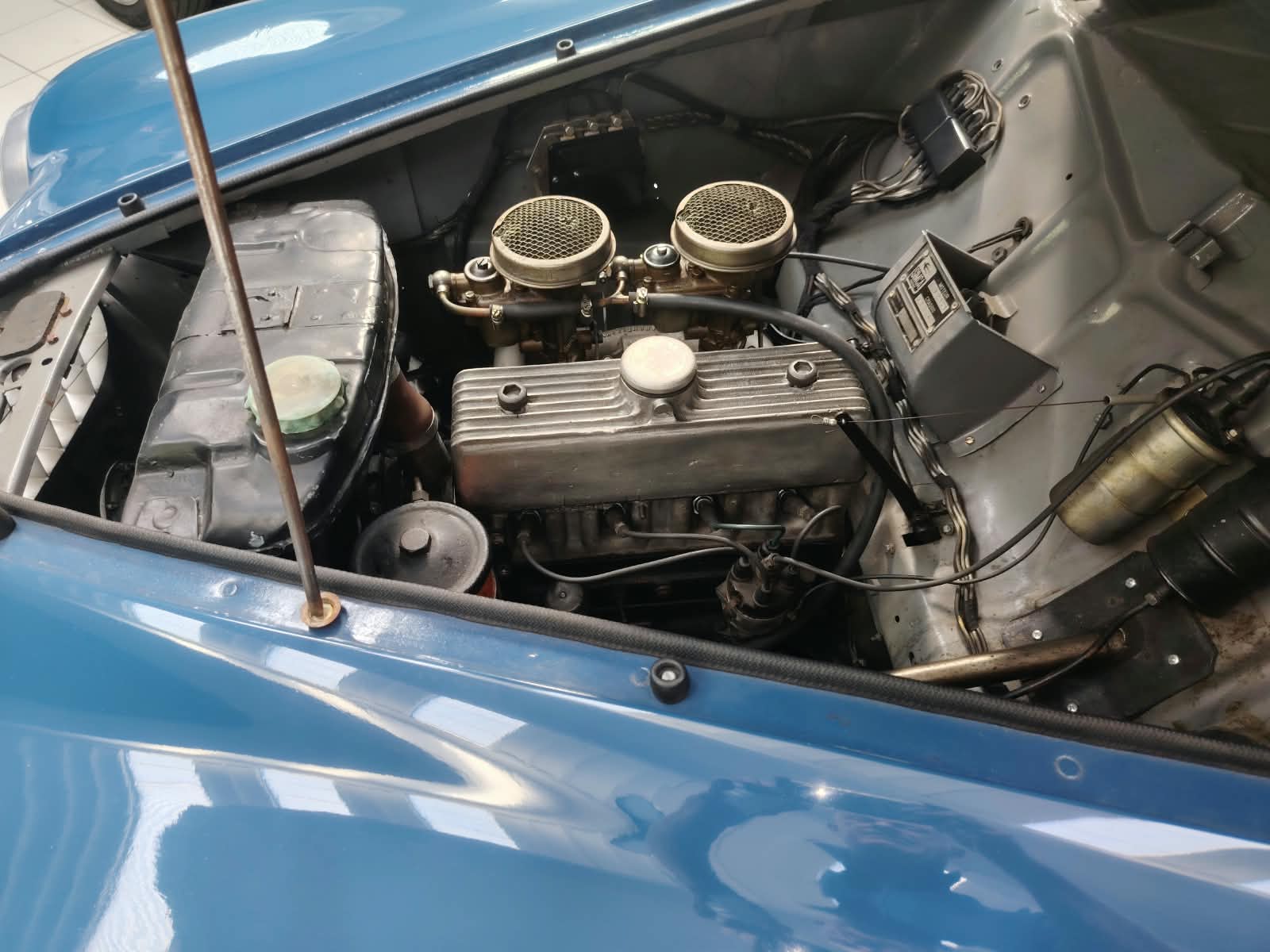
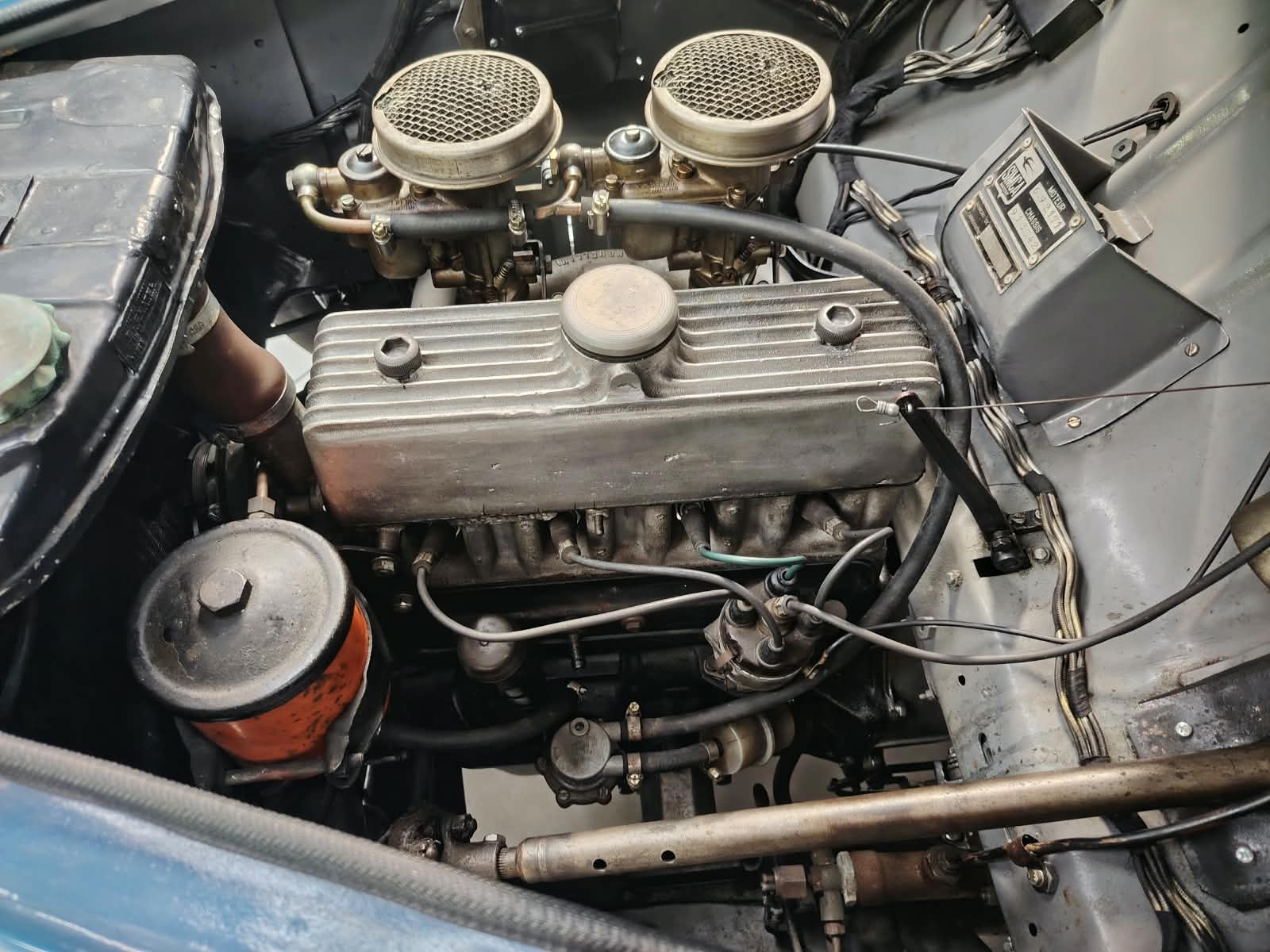
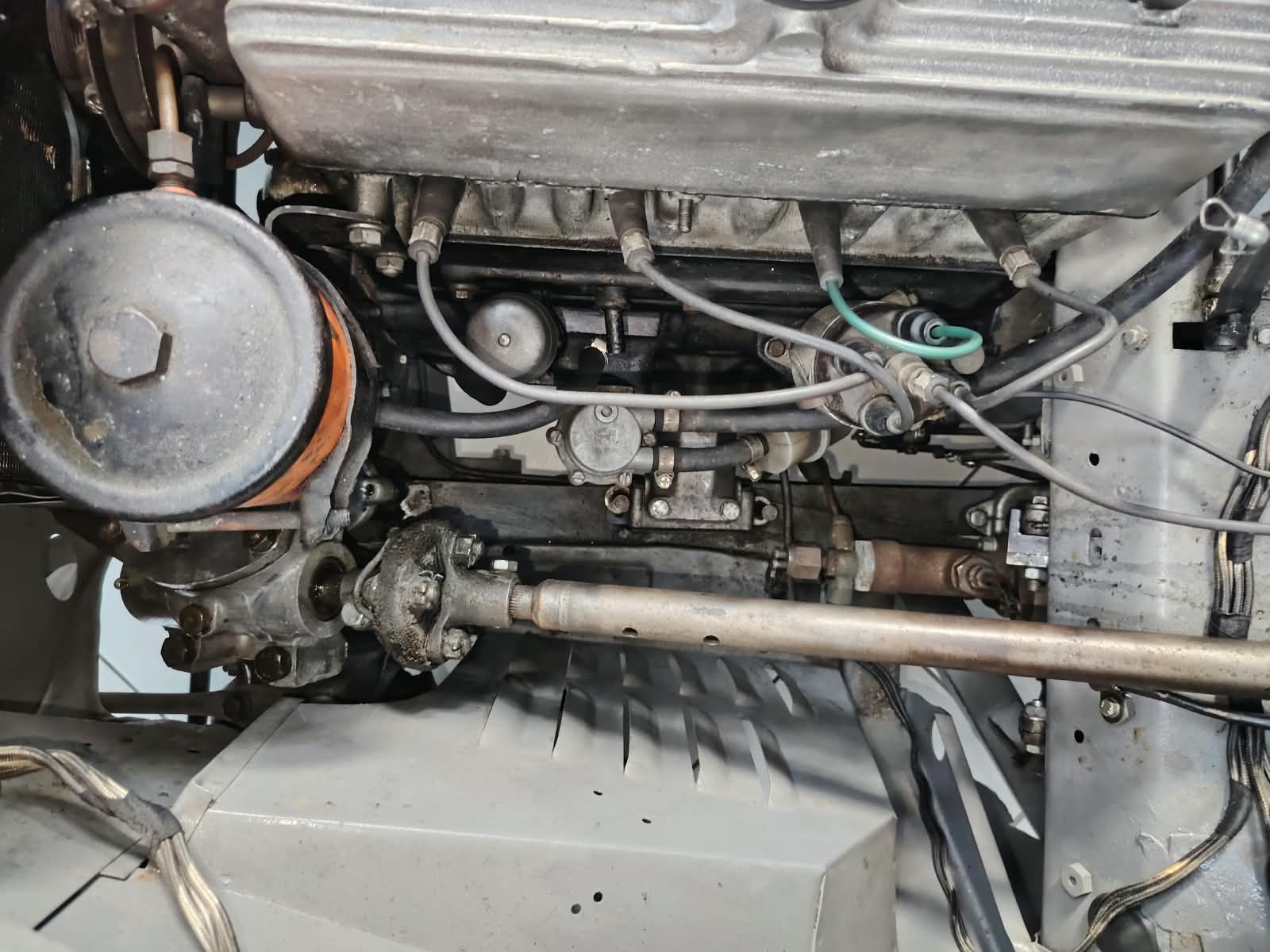
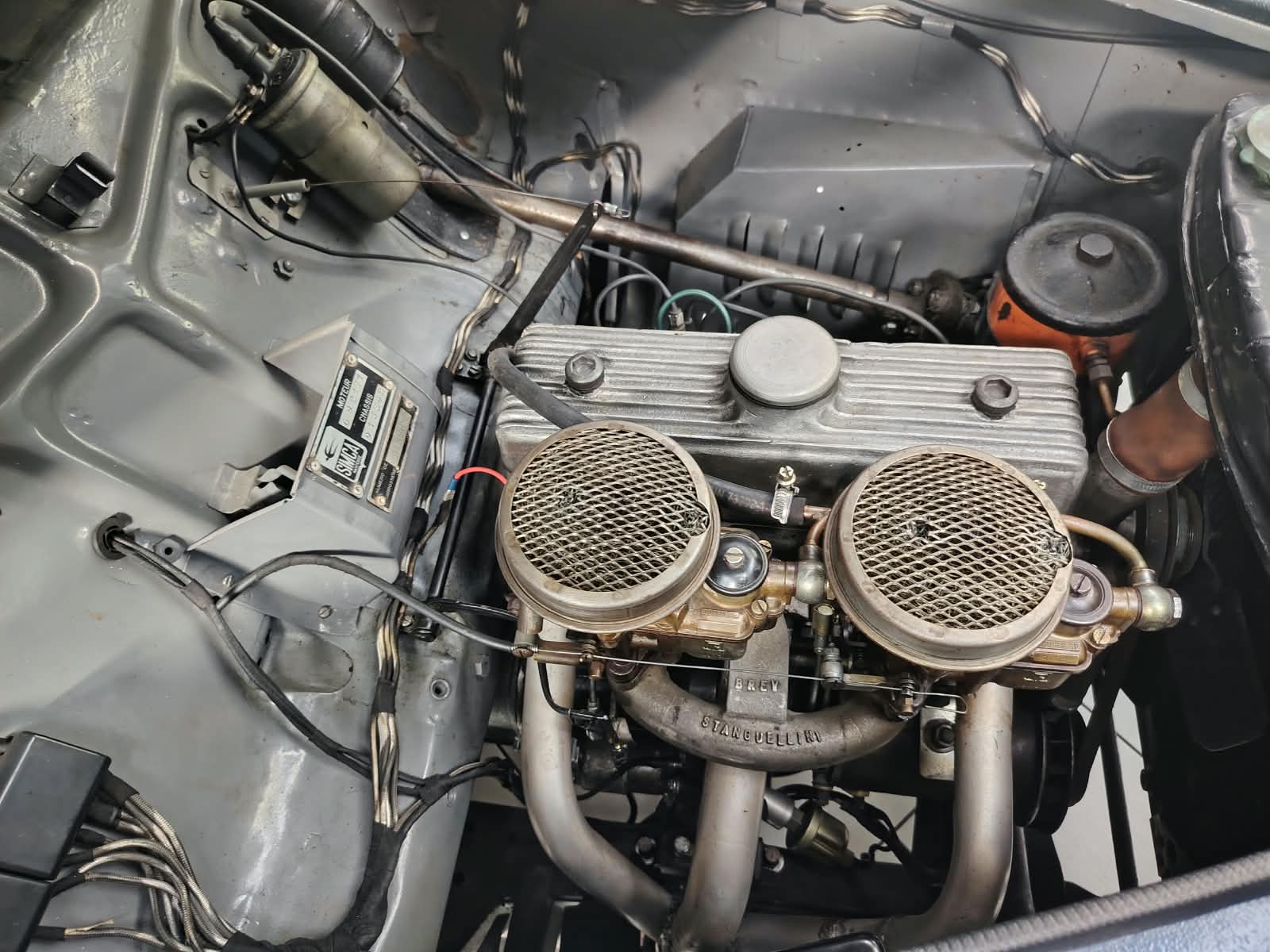
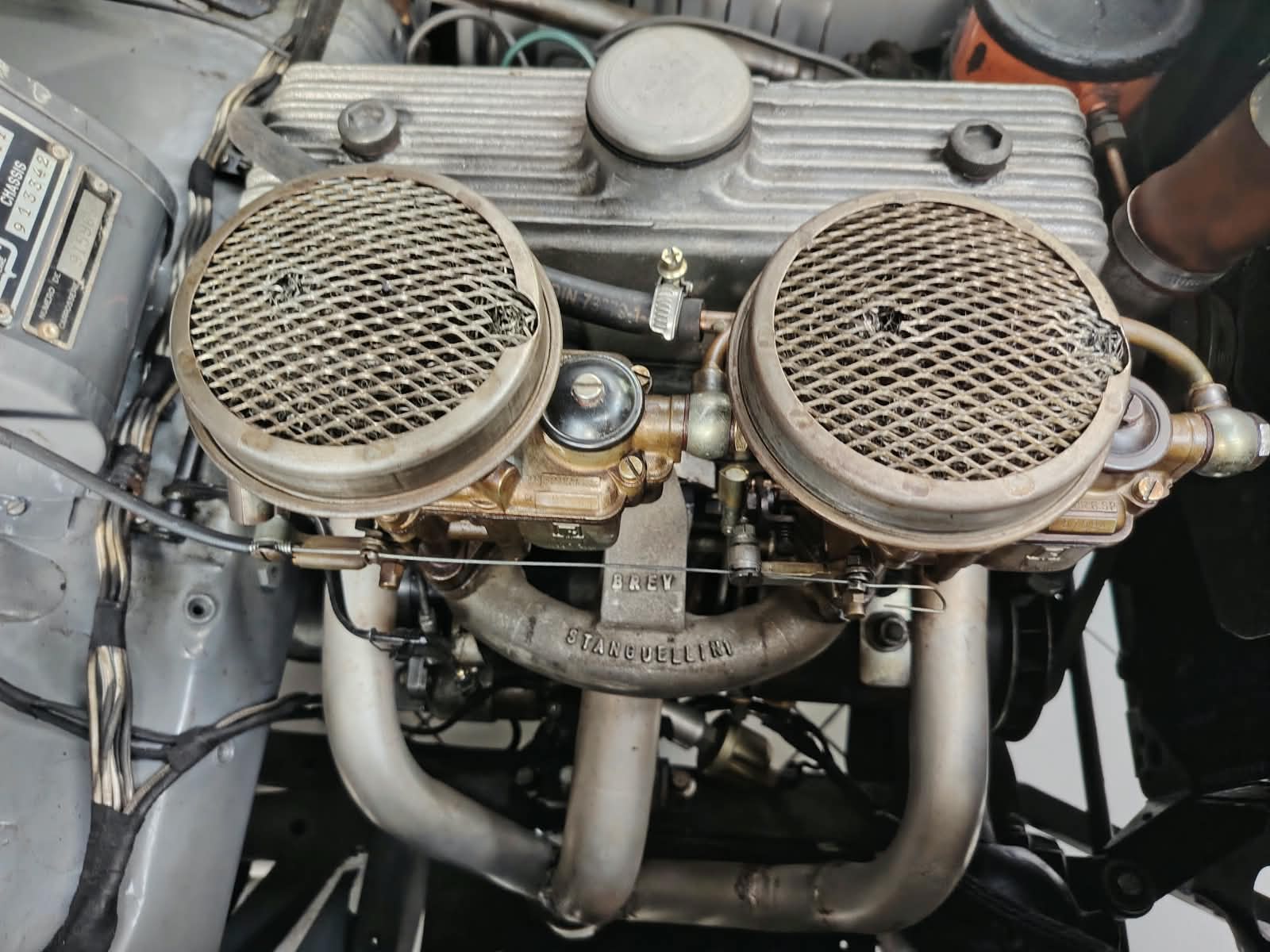
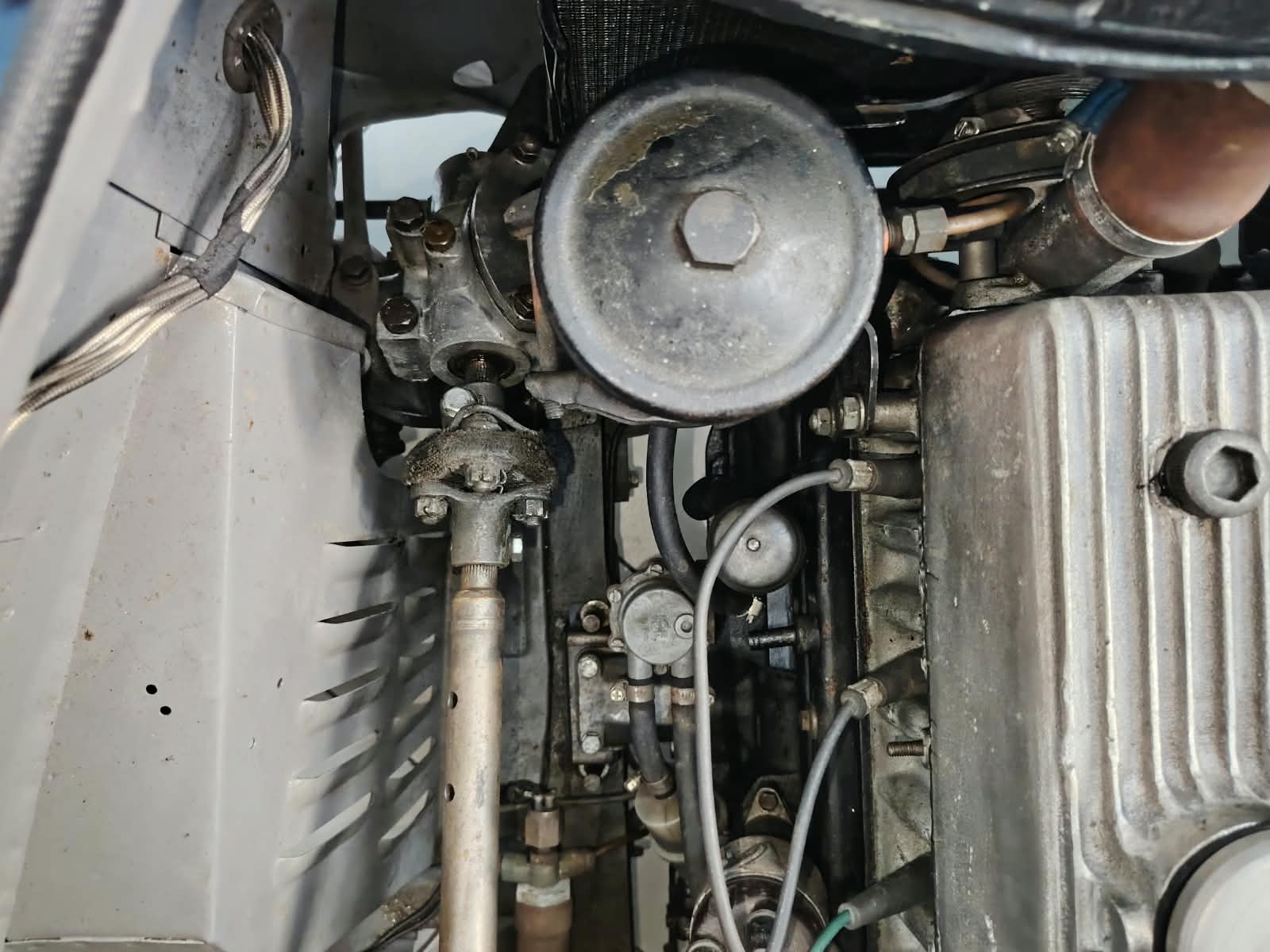
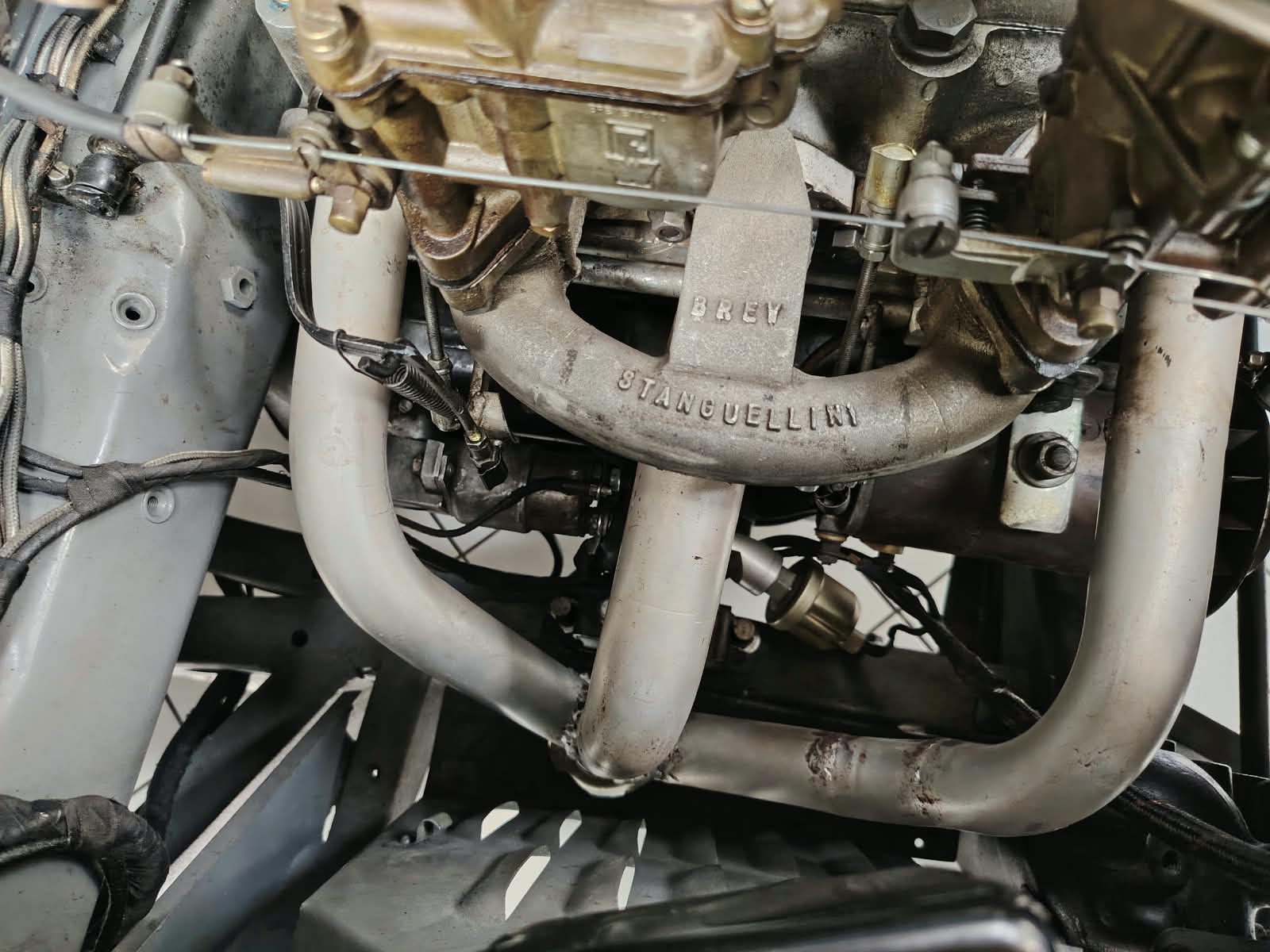
The Simca 8 Sport 1200 is powered by a 1,221 cc inline four-cylinder engine, equipped with a Solex carburettor and developing approximately 50 hp at 4,800 rpm. Transmission is by a four-speed manual gearbox with floor-mounted shift, while drive is through the rear wheels. Braking is by drum brakes on all four wheels. The lightweight alloy body helped keep weight to approximately 900 kg, depending on configuration and source. Commonly published specifications include a wheelbase of approximately 2,420 mm, a length of about 4.10 metres, a width of 1.55 metres and a height of approximately 1.30 metres. The quoted top speed is around 135 km/h, a considerable figure for a sporting car of this displacement in the early 1950s.
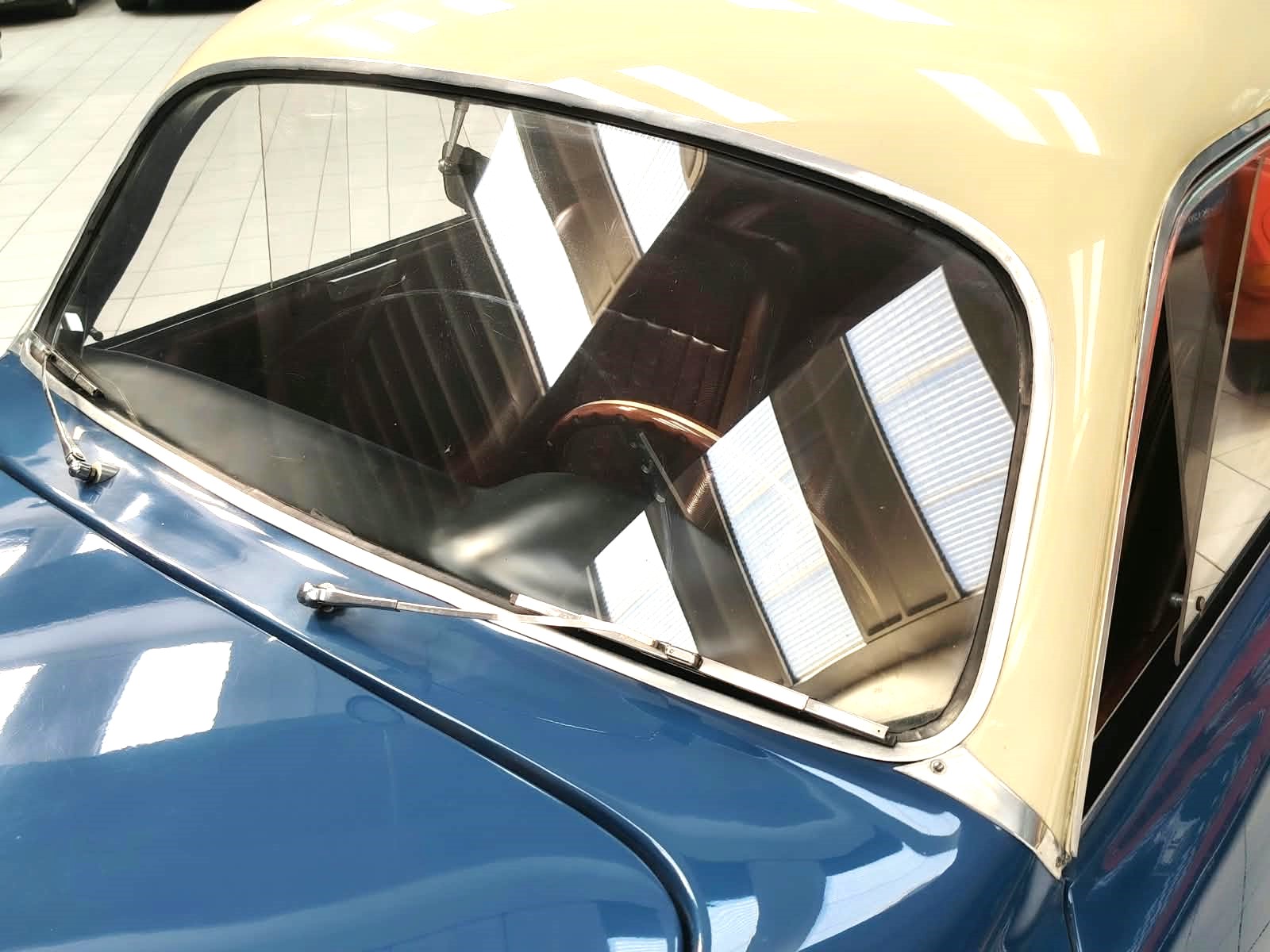
The 1951 model belongs to a particularly interesting stage in the evolution of the 8 Sport. Early coupés were fitted with a split windscreen; during the model’s development this was replaced by a curved one-piece windscreen, while the front grille was further revised towards the end of 1951. These details help place individual cars within the model’s short production history.
Rarity and historical significance
Total production of the Simca 8 Sport, including coupés and cabriolets and all versions of the model, is generally quoted at approximately 5,165 cars, produced over a relatively short period. This limited original production, combined with the much smaller number of complete and properly preserved survivors today, makes the 8 Sport a particularly interesting collector car.
The car also combines several historically significant elements: Fiat-derived mechanical components, French production, Facel-Métallon coachbuilding, a design rooted in the Farina tradition, and close stylistic links with some of the most celebrated Italian sporting cars of the period. It is therefore a representative example of the intense technical and stylistic exchange between Italy and France in the years immediately following the Second World War.
Historical certifications
A particularly important feature of this specific car is its historical certification dossier.
In 2016, the car was submitted to the ASI Commission, obtaining ASI Gold Plate Certification, one of the most significant recognitions in the Italian historic-vehicle certification system. The same car was also issued a FIVA Identity Card, an internationally recognised document concerning the historical identity of a vehicle.
The combination of the ASI Gold Plate and the FIVA Identity Card therefore represents a particularly valuable element of the car’s documentation, formally recording the recognition of its historical identity and significance by two major historic-vehicle certification systems.
Documented history of this car
This rare Simca 8 Sport, built in France under Fiat licence, was imported into Italy in the 2000s, becoming part of an important collection of historic automobiles.
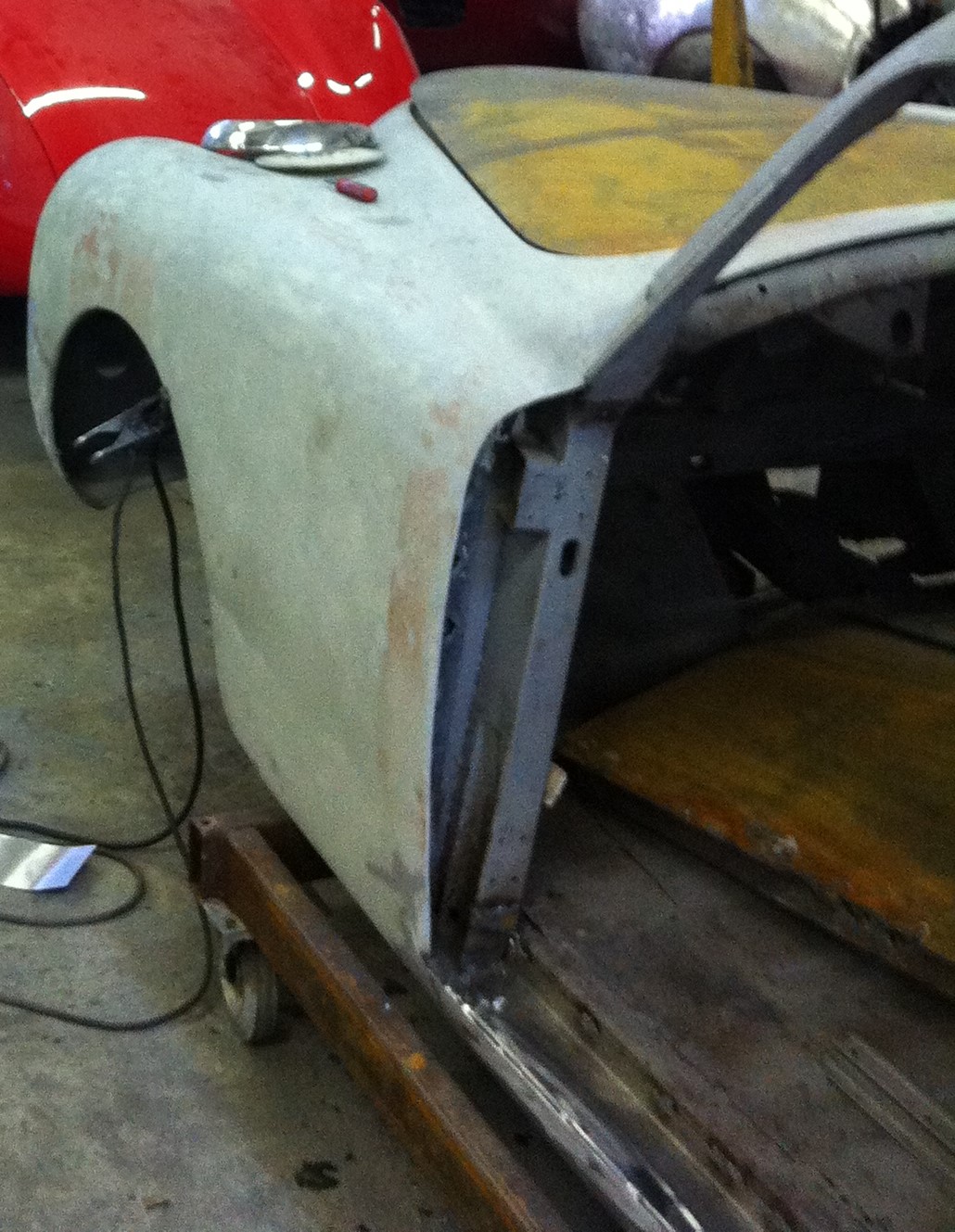
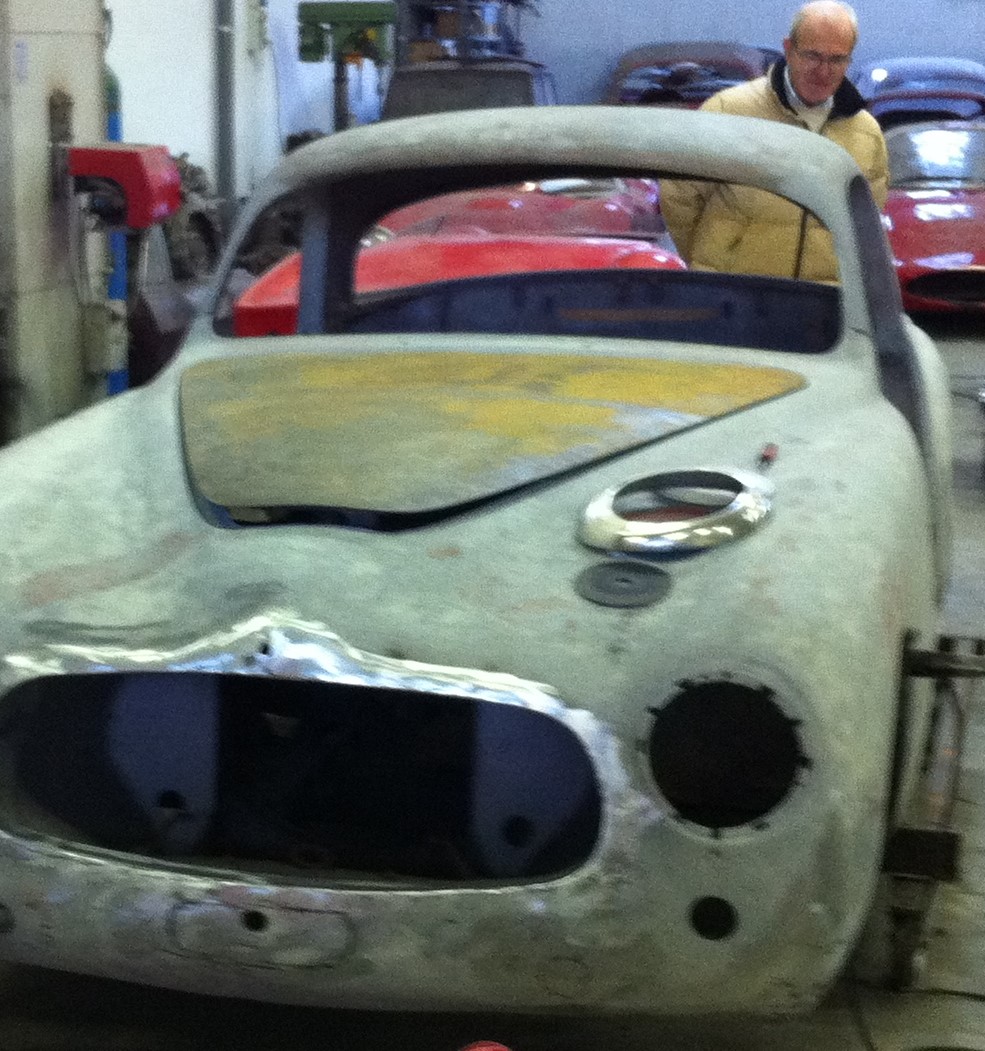
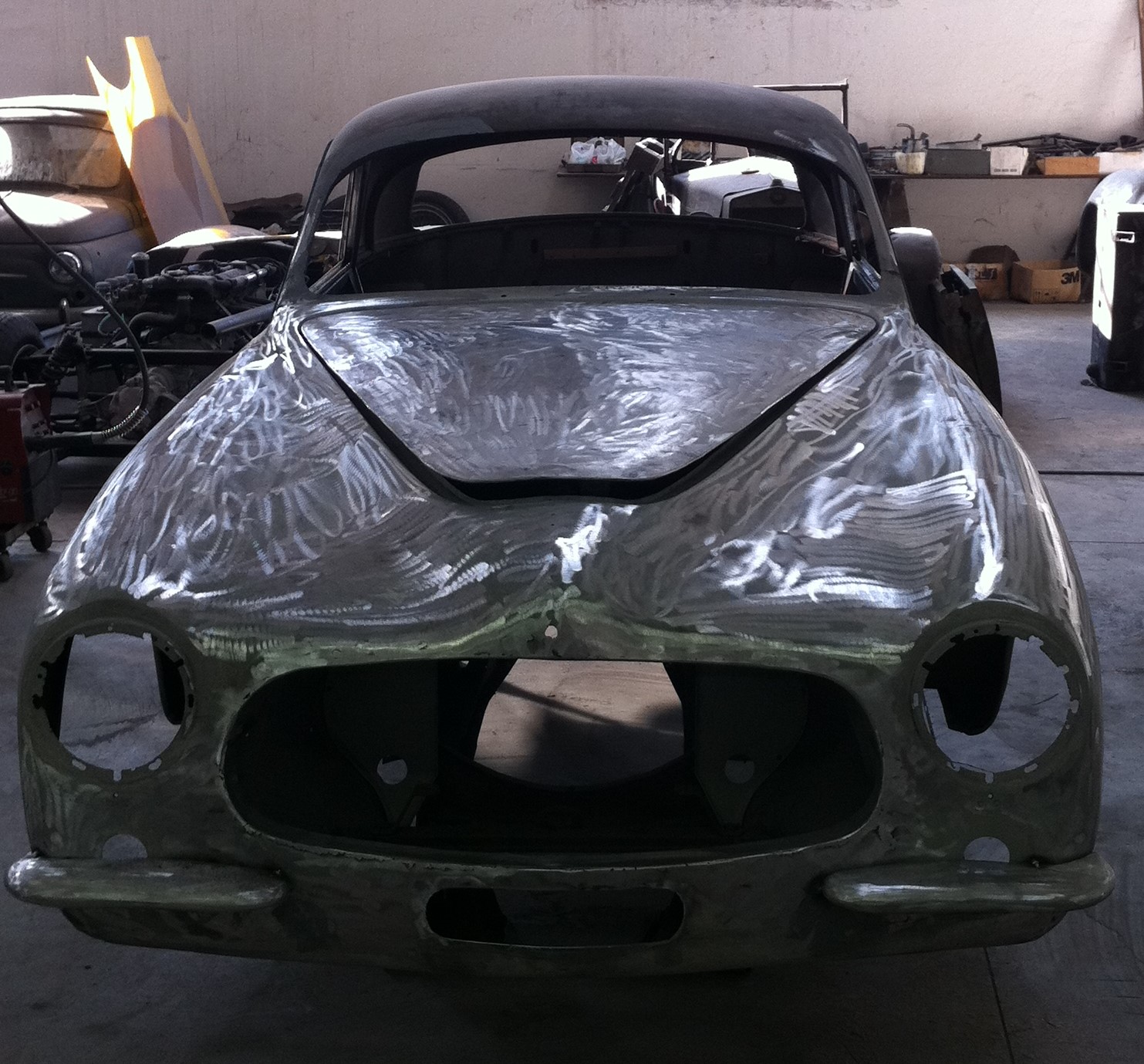
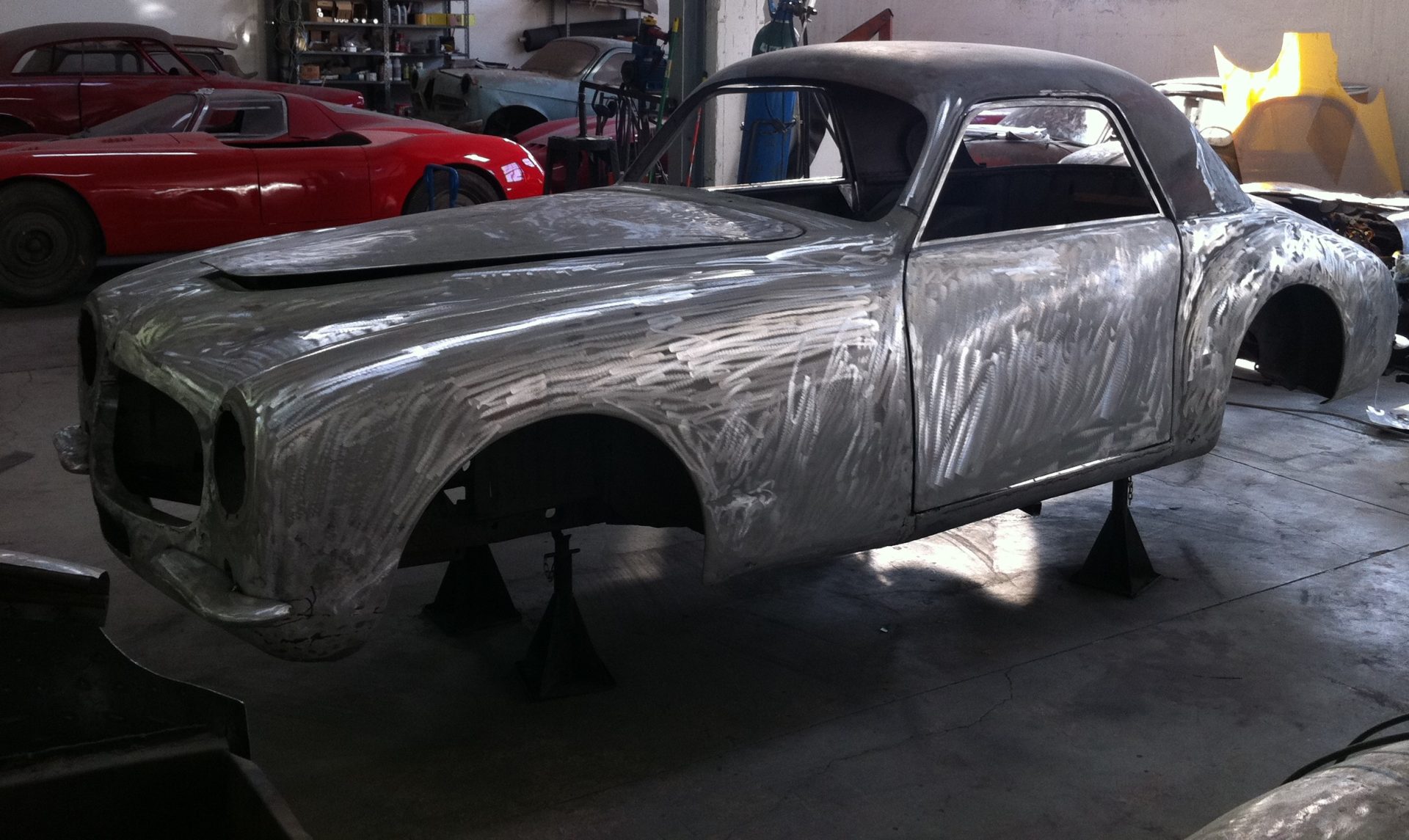
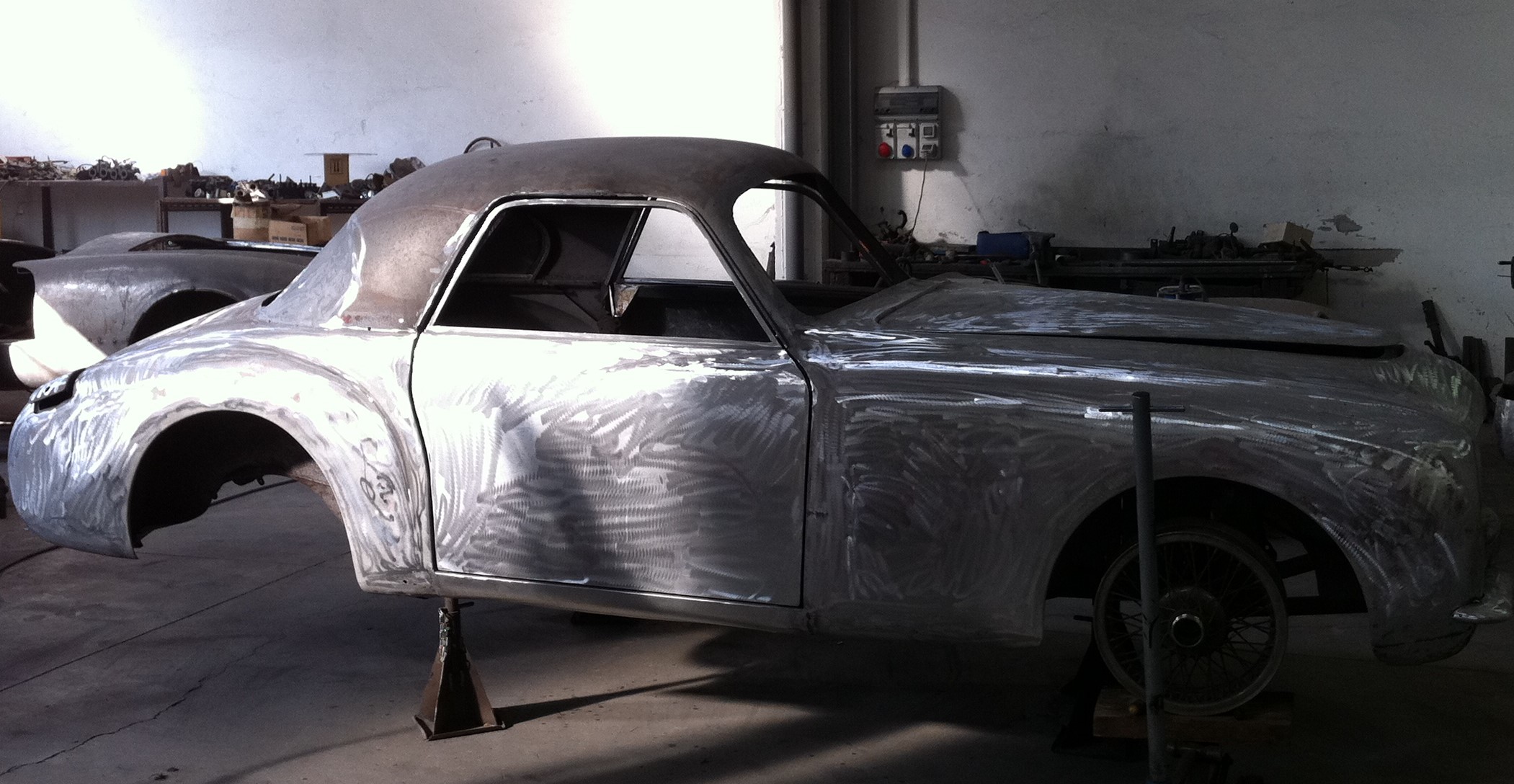
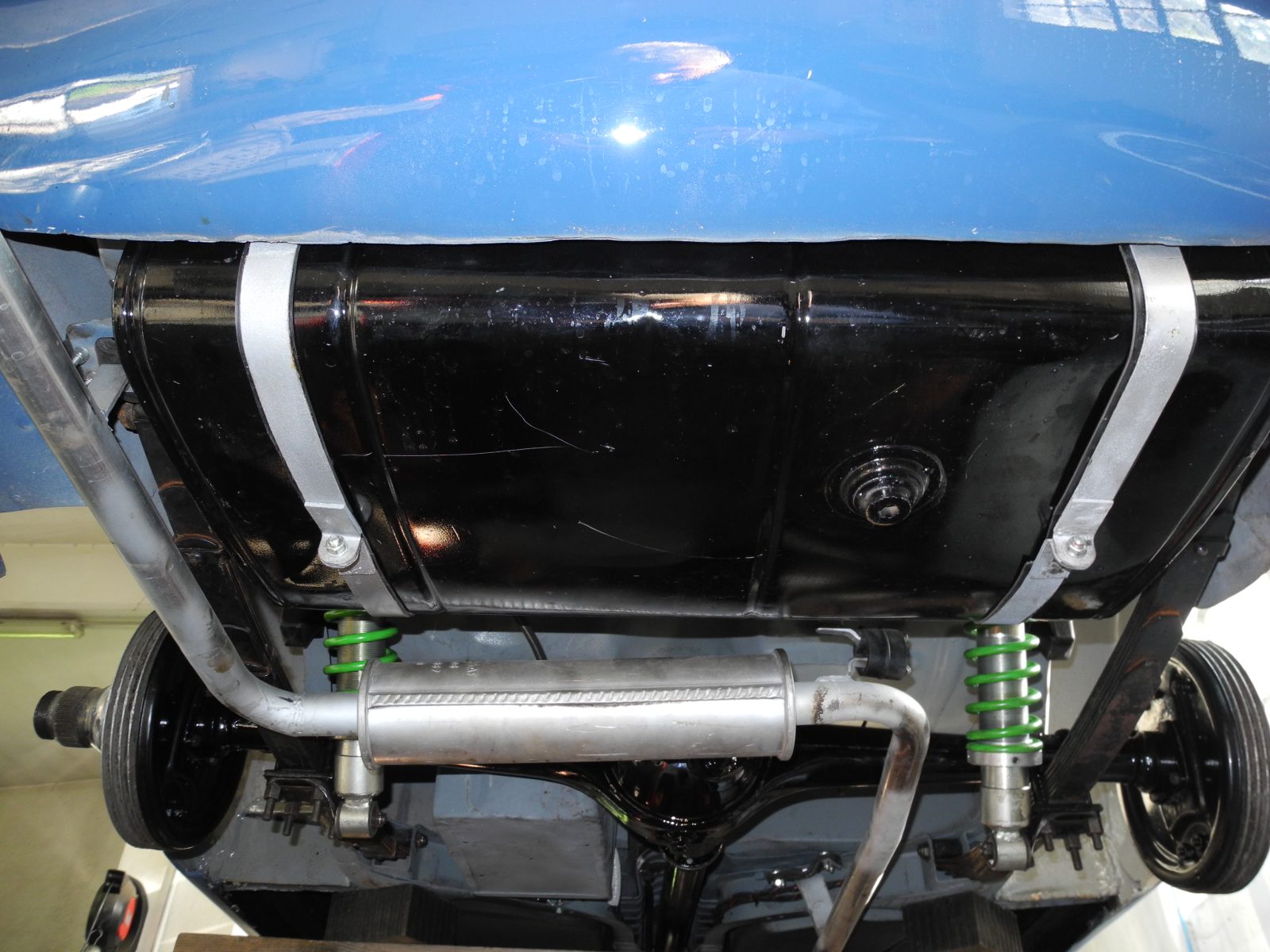
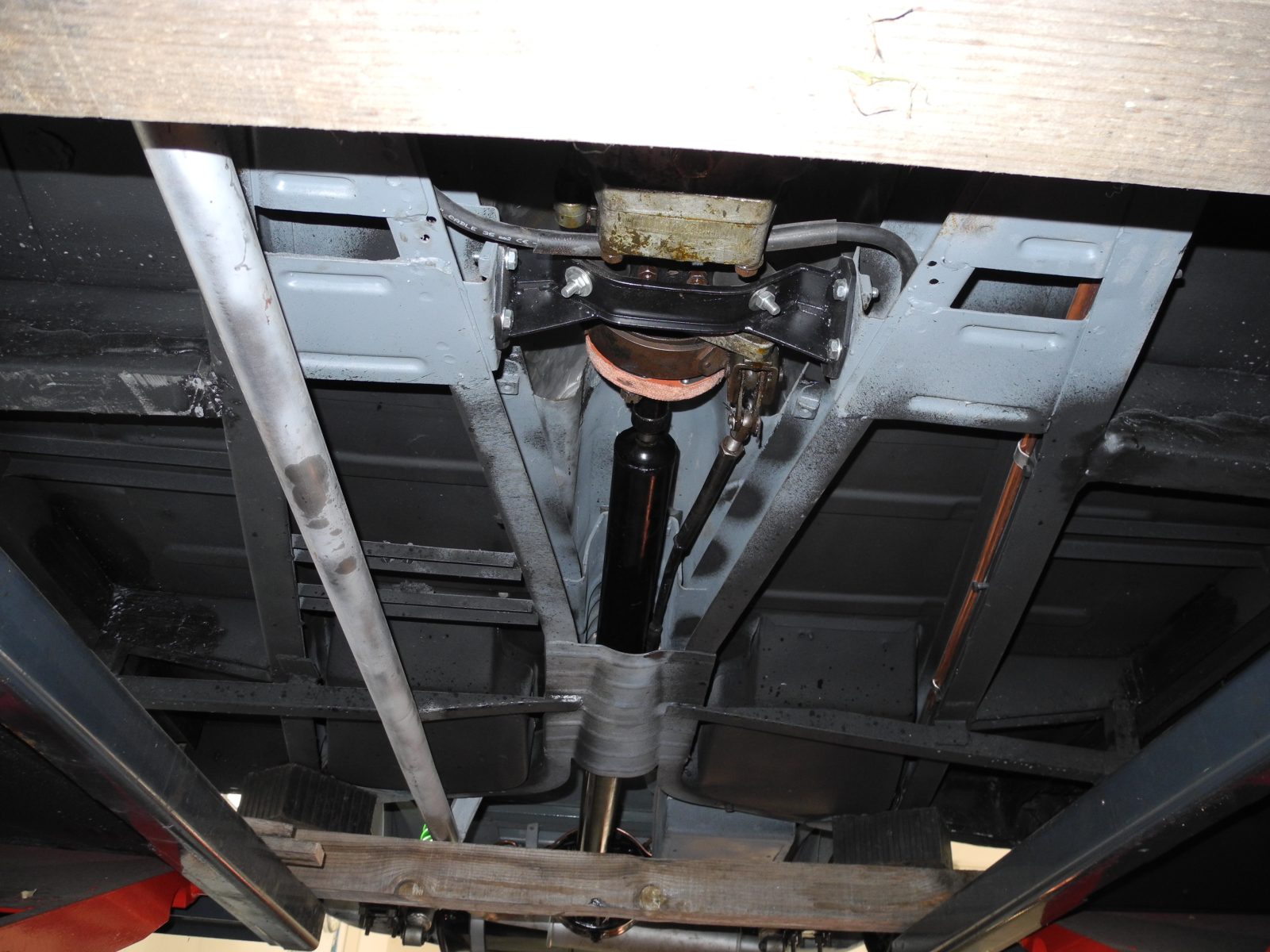
During its time in Italy it underwent a complete restoration, supported by comprehensive photographic documentation of the work carried out. The restoration was completed in 2012, the same year in which the car was registered in Italy for the first time.
Since completion of the restoration, the car has covered only 350 km, a figure that gives particular significance to its subsequent conservation history and demonstrates the extremely limited use following its restoration.
In 2016 it was examined by the ASI Commission and obtained both the ASI Gold Plate and the FIVA Identity Card.
Vernasca Silver Flag appearances
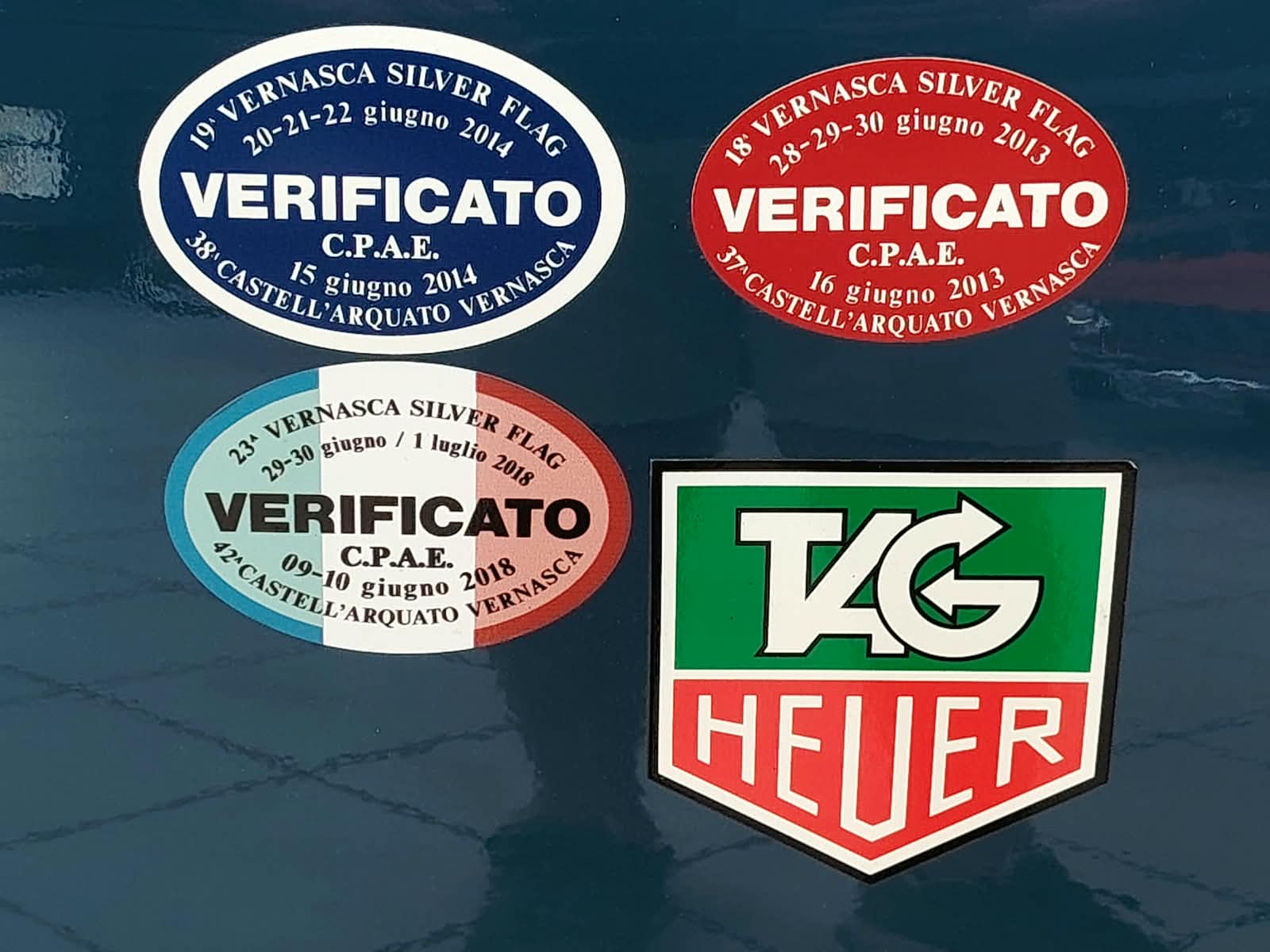
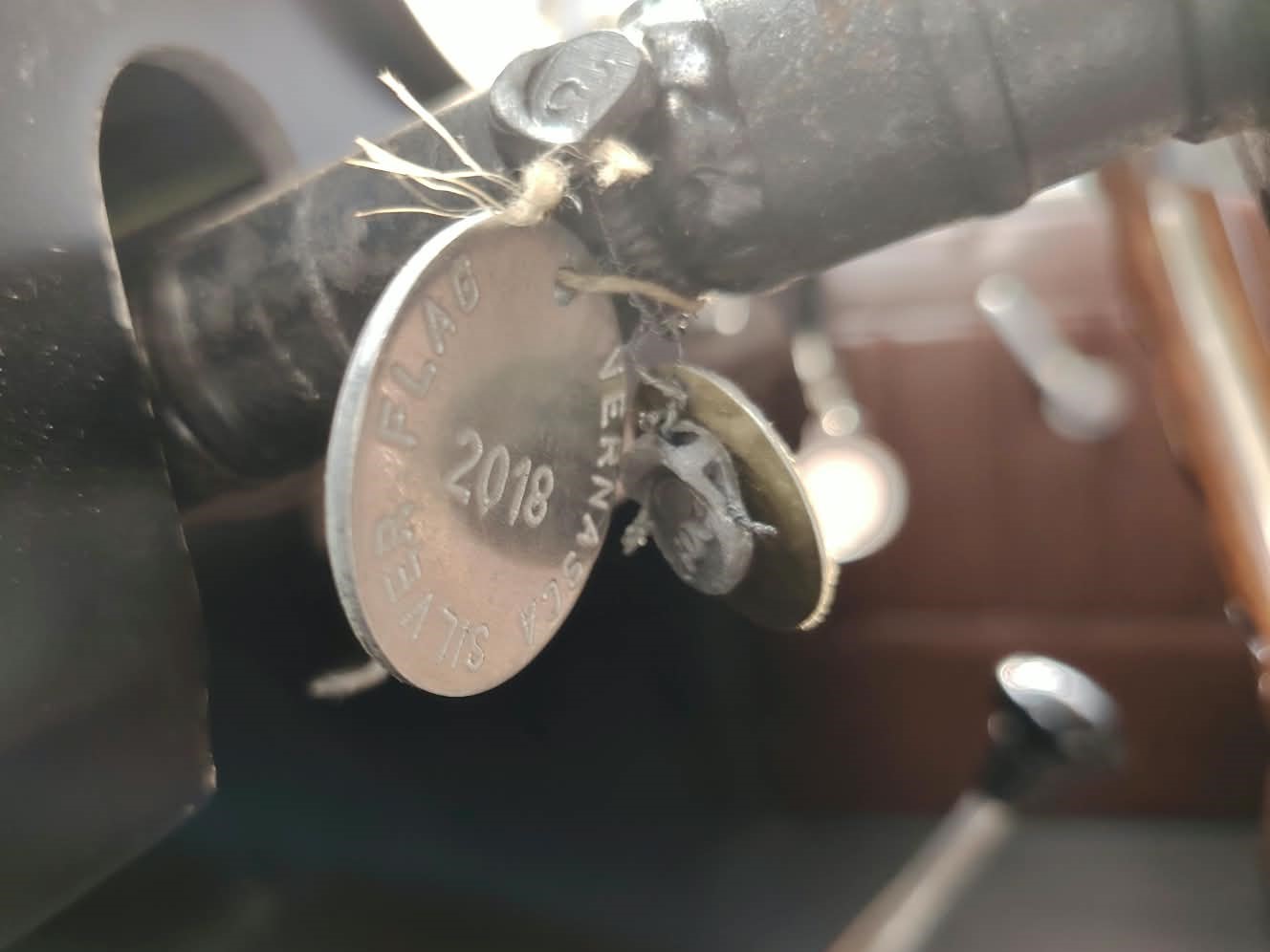
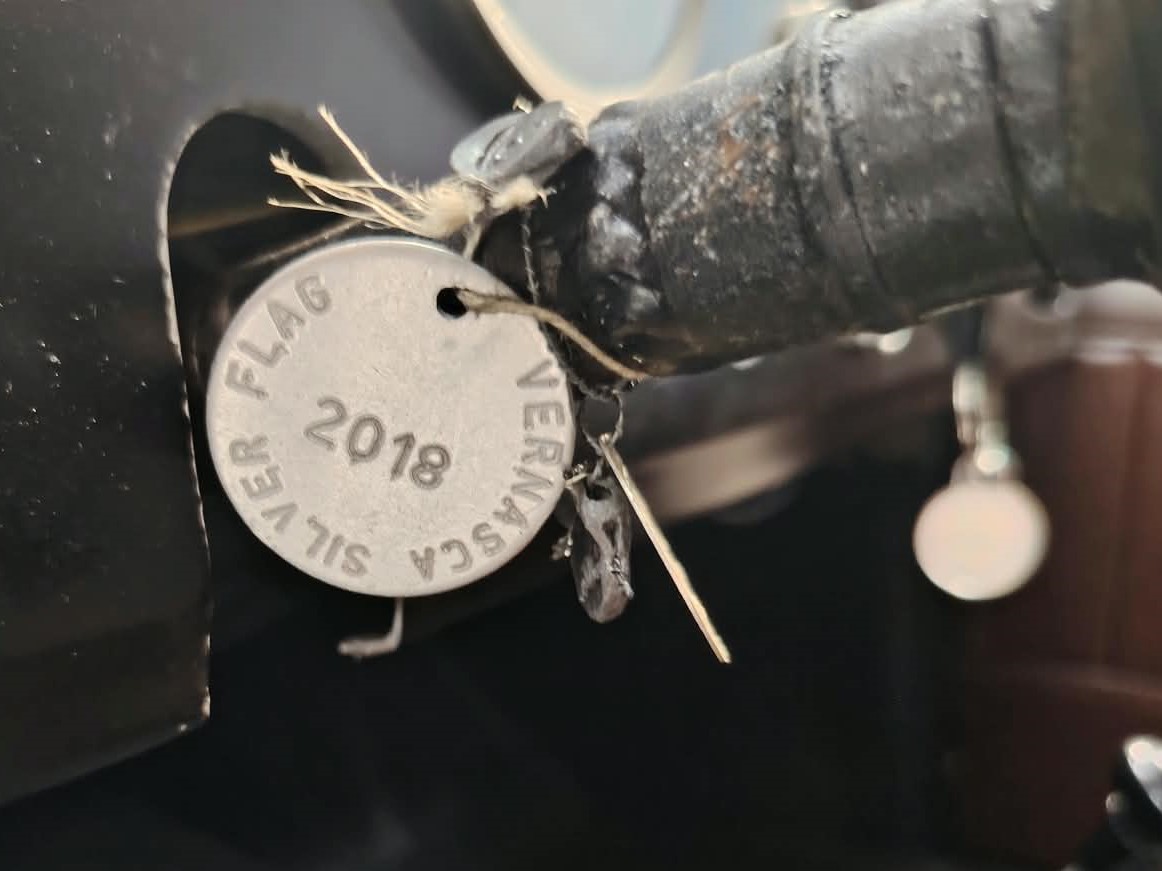
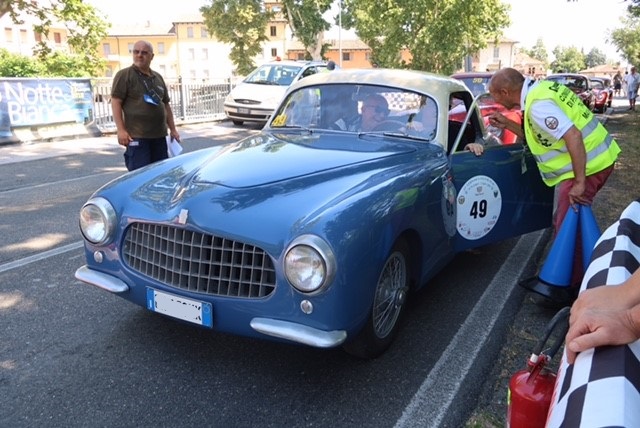
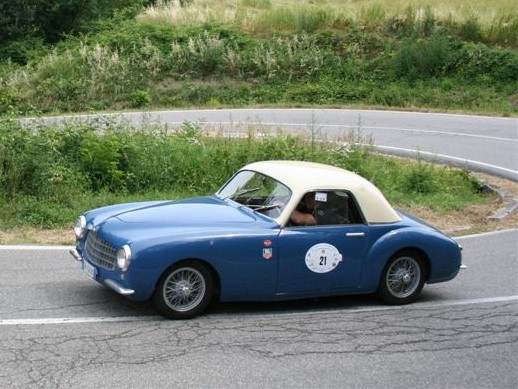
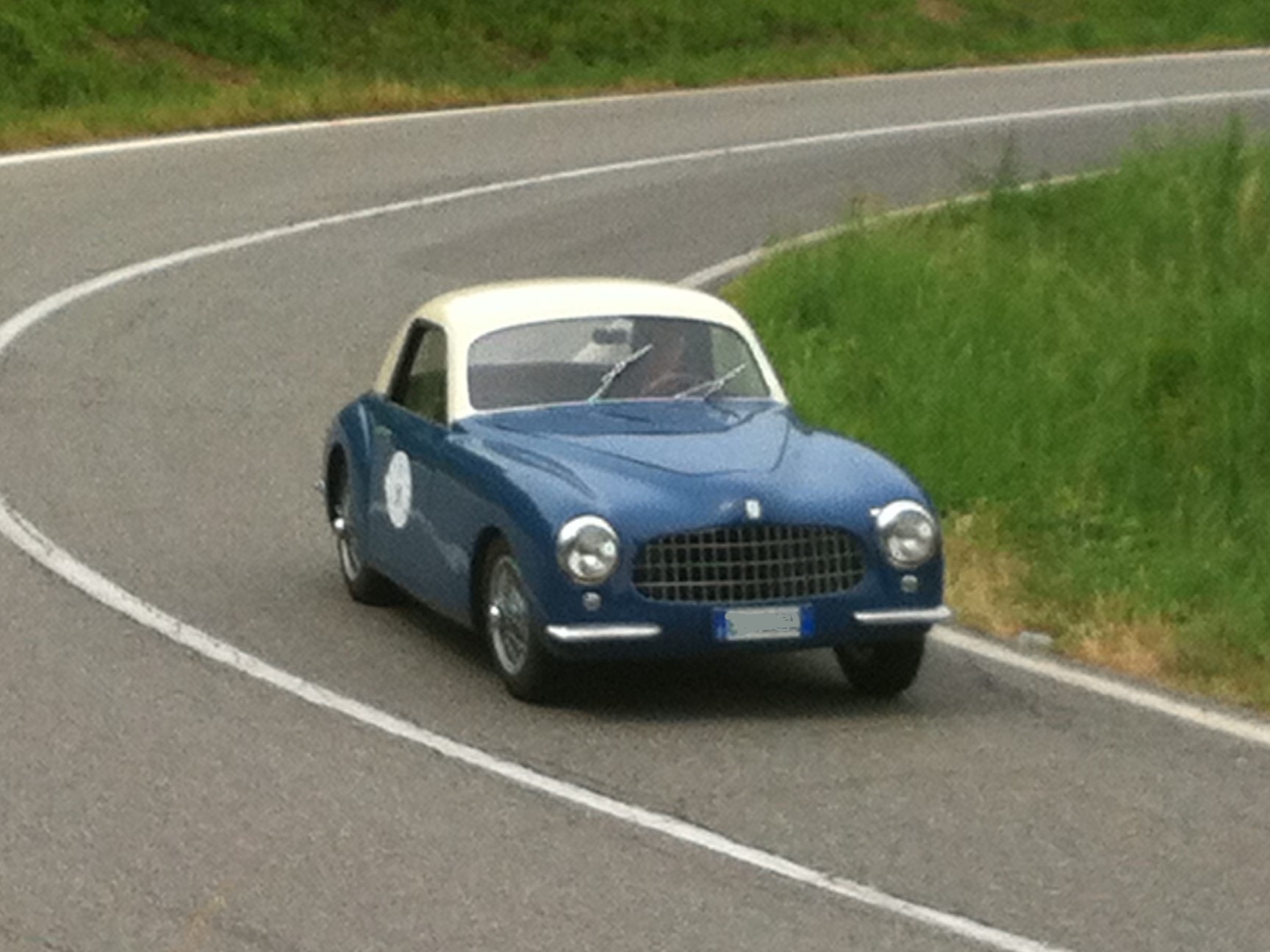
Following its restoration, the car participated in three editions of the Vernasca Silver Flag, in 2013, 2014 and 2018.
The Vernasca Silver Flag is the historic re-enactment of the Castell’Arquato–Vernasca hill climb, originally held from 1953 to 1972. The modern event is not strictly a timed race, but a dynamic preservation event devoted to historic competition cars, which are driven along the original closed-road course.
The three appearances of this Simca 8 Sport at the event therefore represent an additional noteworthy element of its recent history and confirm that, after restoration, the car was used in dynamic events of considerable importance within the international historic-car scene.
It should be noted that the Vernasca Silver Flag appearances should not be regarded as official racing results, since the modern event is not based on timed competition in the manner of a conventional competitive hill climb.
The Simca 8 Sport in competition
The model itself nevertheless has a genuine and documented sporting history during its original period.
Simca 8 Sports were used in competition and rallying from the early 1950s. Particularly significant was the 1950 Monte Carlo Rally, where Simca 8 Sport 1,221 cc cars prepared by Amédée Gordini were entered. A Simca 8 Sport 1221 driven by José Scaron and R. “Pascal” finished 4th overall, while another Simca 8 Sport 1221, driven by Eugène Chaboud and Marc Angelvin, finished 5th overall. In the same event, a smaller-displacement Simca 8 Gordini also achieved 3rd overall.
The Racing Sports Cars historical database also records 17 entries in 14 events for the Simca 8 Sport between 1950 and 1954, including two second-place finishes and one third-place finish in the results contained in its archive, as well as a class victory. The database itself notes that its records are not necessarily exhaustive of every competition in which the model took part. Racing Sports Cars
Other international competition appearances are also documented, including events in the United States, confirming that the 8 Sport was not merely an elegant road-going coupé but possessed characteristics that allowed it to be used successfully in contemporary sporting activities.
Summary
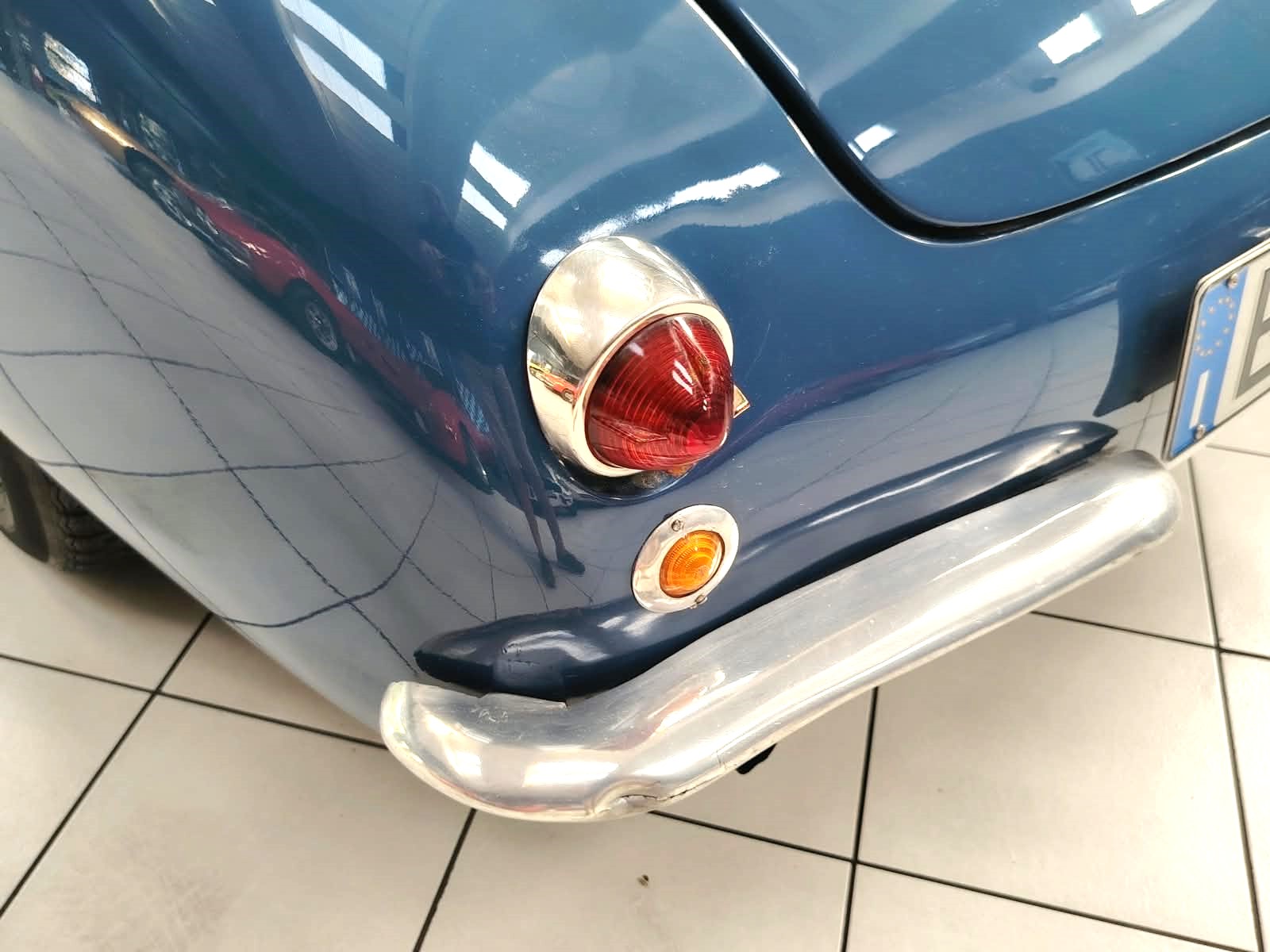
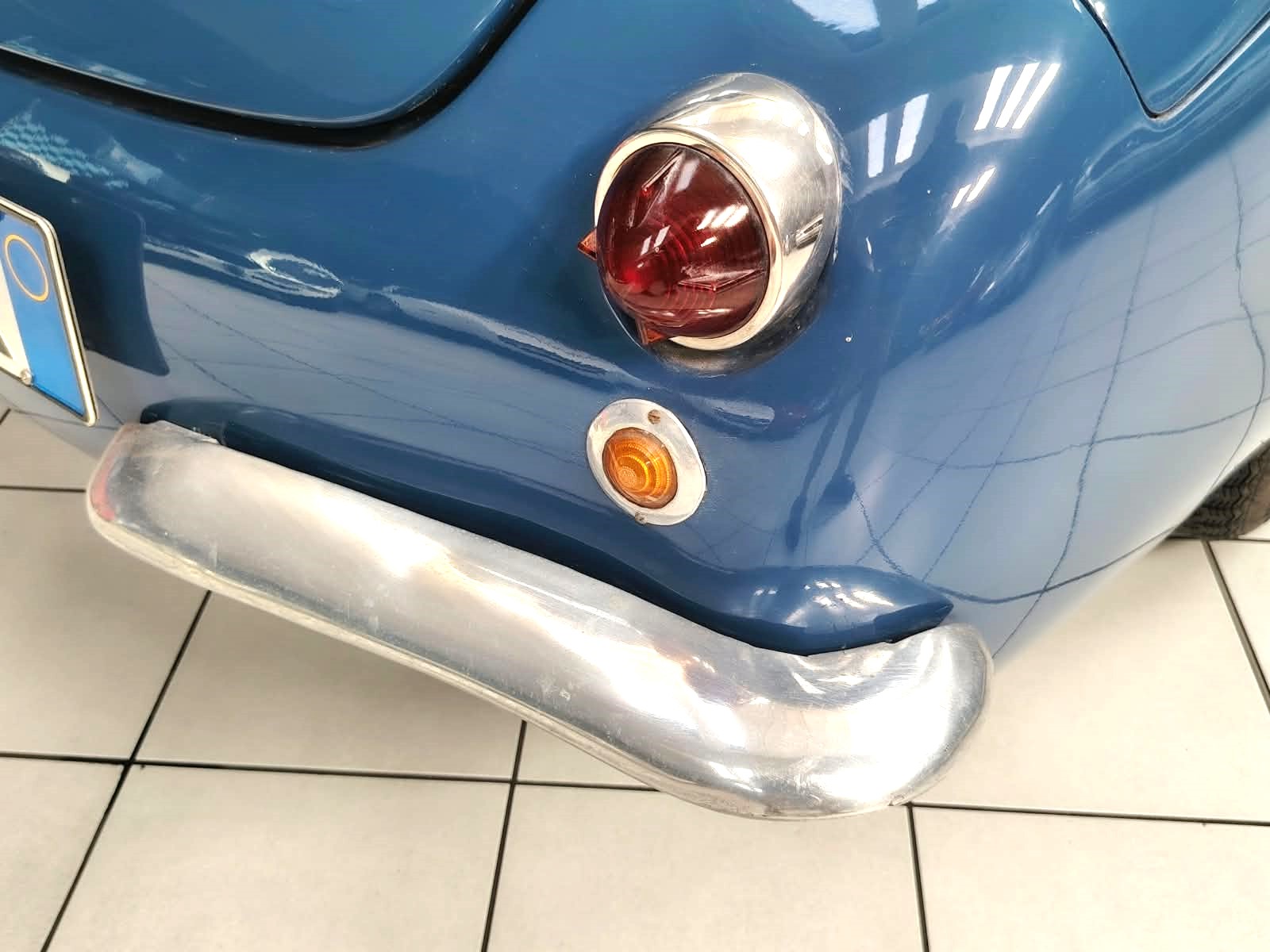
The car offered here is therefore an automobile of considerable historical and collector interest: a 1951 Simca 8 Sport 1200 Coupé, chassis 913342, with a 1,221 cc engine, elegant French bodywork reflecting Italian design, brown leather interior, blue exterior and wire wheels.
Its interest is further enhanced by the complete photographic restoration documentation, the restoration completed in 2012, its first Italian registration in the same year, its extremely limited subsequent use of only 350 km, and, above all, its ASI Gold Plate and FIVA Identity Card, both obtained in 2016.
These elements are complemented by participation in three editions of the Vernasca Silver Flag (2013, 2014 and 2018) and by the model’s significant sporting history, including notable results in the 1950 Monte Carlo Rally.
Taken as a whole, this is a car combining limited production, Italian design heritage, French construction, Fiat-derived mechanical engineering, international historic certification, documented restoration and a genuine competition pedigree, making it a particularly interesting testimony to European motoring in the early post-war era.